How online peptide therapy works: evaluation, prescription, safety, and shipping

Online peptide therapy should start with a medical intake and licensed clinician review, not an automatic checkout. If treatment is clinically appropriate, a prescription may be sent to a legitimate pharmacy for dispensing and shipping. Good care also includes safety screening, side-effect instructions, and follow-up access.
That sounds simple. The details matter, though. Peptide therapy is a broad category, and not every peptide is appropriate for every person. Some therapies have specific approved uses. Some may be compounded when legally appropriate. Some should be avoided depending on your health history, medications, symptoms, pregnancy status, or treatment goals.
The safest version of online care is clinician-led from the start.
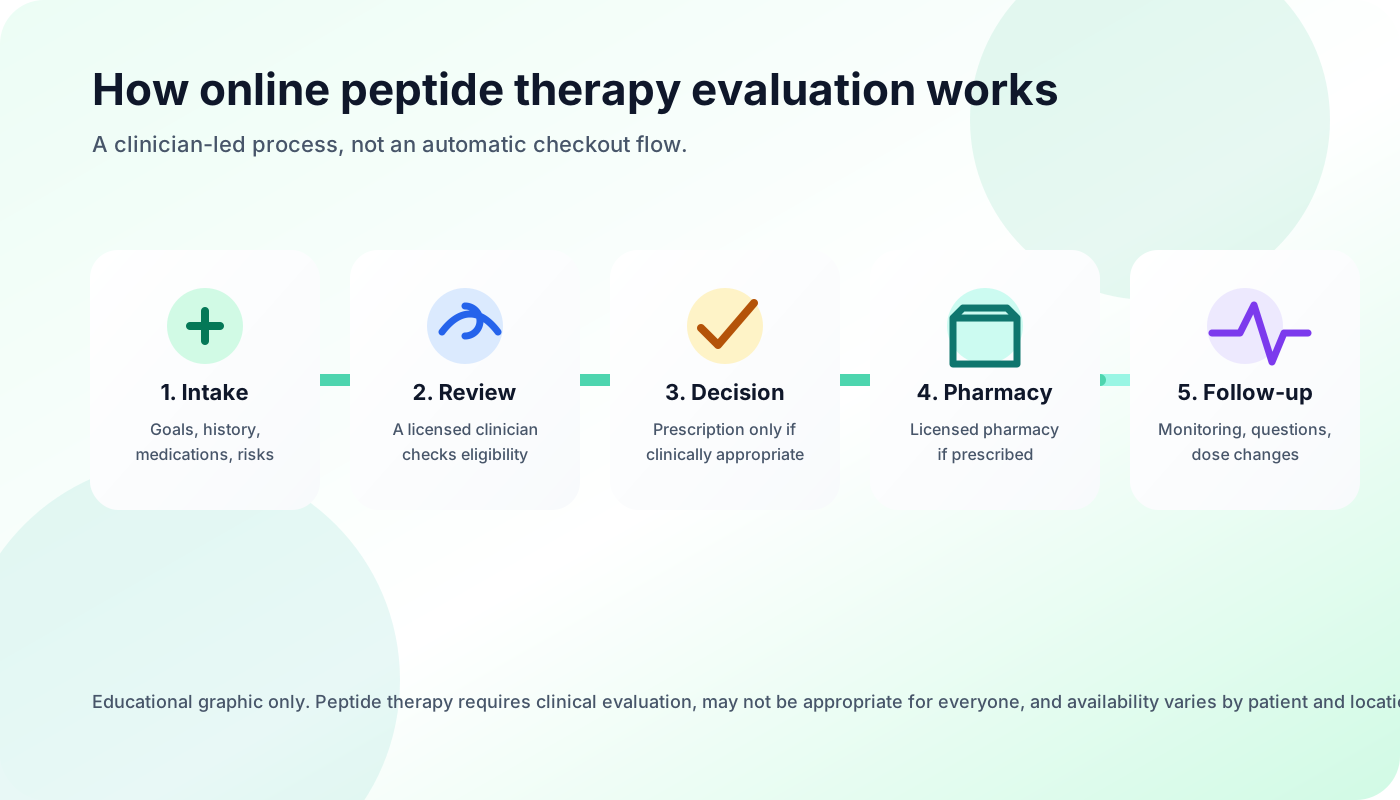
Step 1: complete a medical intake
A good intake asks more than your height, weight, and shipping address. It should collect enough information for a clinician to decide whether a peptide protocol makes sense for you.
That usually includes:
- your goals and symptoms
- current medications and supplements
- allergies
- medical conditions
- surgical history when relevant
- pregnancy or plans to become pregnant
- prior experience with peptide or hormone therapies
- recent lab work when needed
This step protects you. If a site lets you buy peptide products for human use without a real intake or prescription pathway, that is a warning sign.
Step 2: a licensed clinician reviews eligibility
Online care should still be medical care. A licensed clinician should review your intake, look for safety issues, and decide whether a treatment is appropriate.
The review is not just a formality. A clinician may decide that:
- the requested therapy is not appropriate
- more information is needed first
- a different option is safer
- lab work or follow-up is needed
- you should see an in-person clinician instead
A strong telehealth clinic makes room for "no" when "no" is the safer answer.
Step 3: prescription only if clinically appropriate
If the clinician determines that treatment is appropriate, they may prescribe a specific protocol. The prescription should match the patient's history, goals, risk factors, and the medication being considered.
This is where responsible online peptide therapy differs from research-chemical sellers. Prescription therapy is supervised medical care. Research-grade products sold online for human use are not the same thing.
For compounded medications, the wording matters. A compounded medication is not FDA-approved in the same way as a brand-name drug. Compounding may be allowed under specific federal and state rules, but it still requires appropriate sourcing, pharmacy standards, and clinician oversight.
Step 4: pharmacy dispensing and shipping
If prescribed, medication may be dispensed by a legitimate pharmacy and shipped with the right handling instructions. Some therapies may need temperature-controlled packaging. Others may have specific storage, beyond-use, or disposal instructions.
Before starting any shipped medication, patients should know:
| Question | Why it matters |
|---|---|
| Which pharmacy dispensed it? | Legitimate sourcing is central to safety. |
| What exactly was prescribed? | You should understand the medication, strength, and route. |
| How should it be stored? | Some medications can be damaged by heat or poor handling. |
| What side effects should I watch for? | You need a plan before symptoms appear. |
| Who do I contact with questions? | Follow-up should not disappear after shipment. |
Step 5: follow-up, side effects, and dose changes
The process should not end when a package arrives. Follow-up matters because side effects, dose adjustments, lab timing, and treatment changes are common parts of medical care.
Depending on the therapy, follow-up may include:
- checking how you feel after starting
- reviewing side effects
- adjusting dose only when appropriate
- pausing or stopping treatment if needed
- reviewing labs or progress markers
- answering questions about storage, timing, or missed doses
For GLP-1 medications such as semaglutide or tirzepatide, official drug information includes warnings and side-effect considerations. That is why clinician screening and follow-up matter, even when care happens online.
What responsible online peptide care should screen for
Not every peptide has the same risk profile. Screening should match the specific medication. Still, there are common safety themes that good online clinics should take seriously.
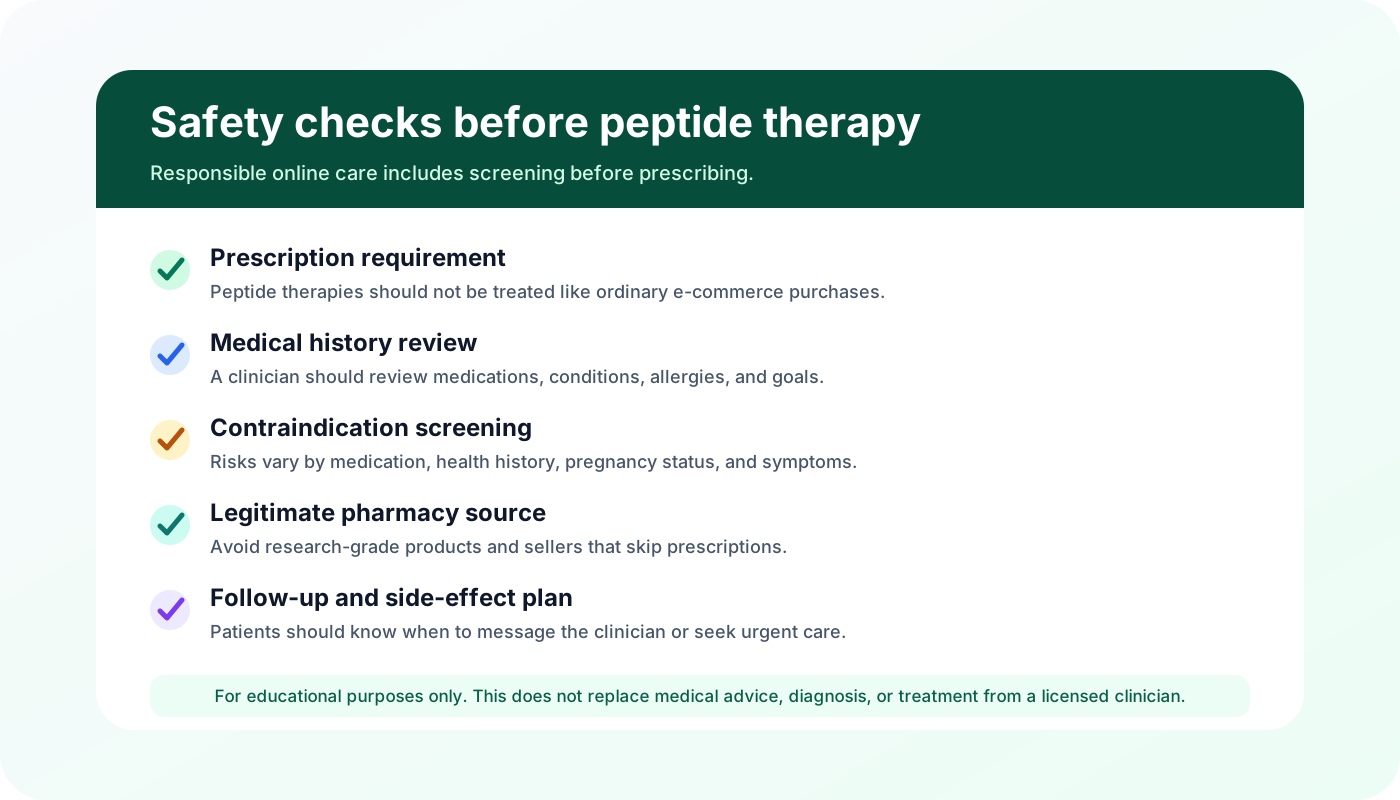
A conservative review should consider:
- whether the therapy requires a prescription
- whether the patient's health history creates avoidable risk
- medication interactions
- pregnancy or plans to become pregnant
- severe or unexplained symptoms
- whether lab work is needed
- whether the pharmacy source is legitimate
- whether the patient has a clear follow-up path
For GLP-1 therapy specifically, patients may need screening for issues such as pancreatitis history, severe gastrointestinal disease, certain thyroid cancer risks, gallbladder problems, diabetes medication interactions, pregnancy, and other individual factors. The exact screen depends on the medication and clinician judgment.
Red flags when choosing an online peptide clinic
Be careful with any seller or clinic that:
- skips clinician review
- does not require a prescription
- sells "research use only" products for human use
- hides pharmacy or sourcing details
- promises guaranteed weight loss, anti-aging, healing, muscle gain, or sexual performance
- says compounded medication is FDA-approved
- gives dosing instructions without reviewing your health history
- offers no clear side-effect or follow-up support
A polished website is not enough. The safer question is: who reviews your case, what pharmacy fills the prescription if approved, and what happens if you need help after the order ships?
Bottom line
Online peptide therapy can be convenient, but convenience should not replace medical judgment. The safer model is intake first, clinician review second, prescription only if clinically appropriate, legitimate pharmacy dispensing if prescribed, and follow-up after treatment starts.
If the process feels like buying a supplement with a medical label, slow down. Real care should feel more careful than that.