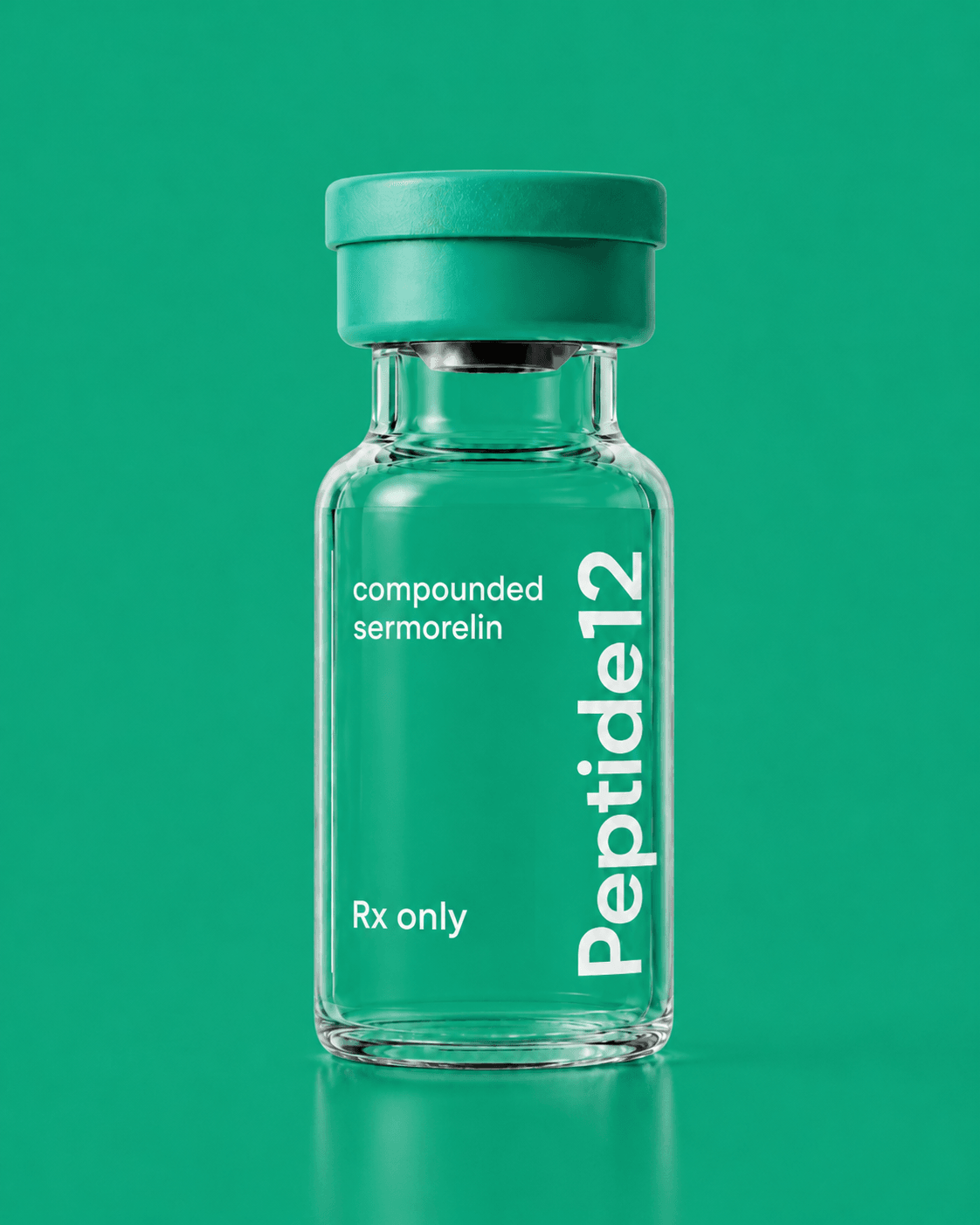
Sermorelin Injection
From $65/mo
Healthspan · Cellular energy · Mitochondrial support
NAD+, glutathione, methylene blue, and metabolic injections: provider-reviewed options for cellular-energy, antioxidant, focus, and healthy-aging goals, with product-specific screening before any prescription decision.

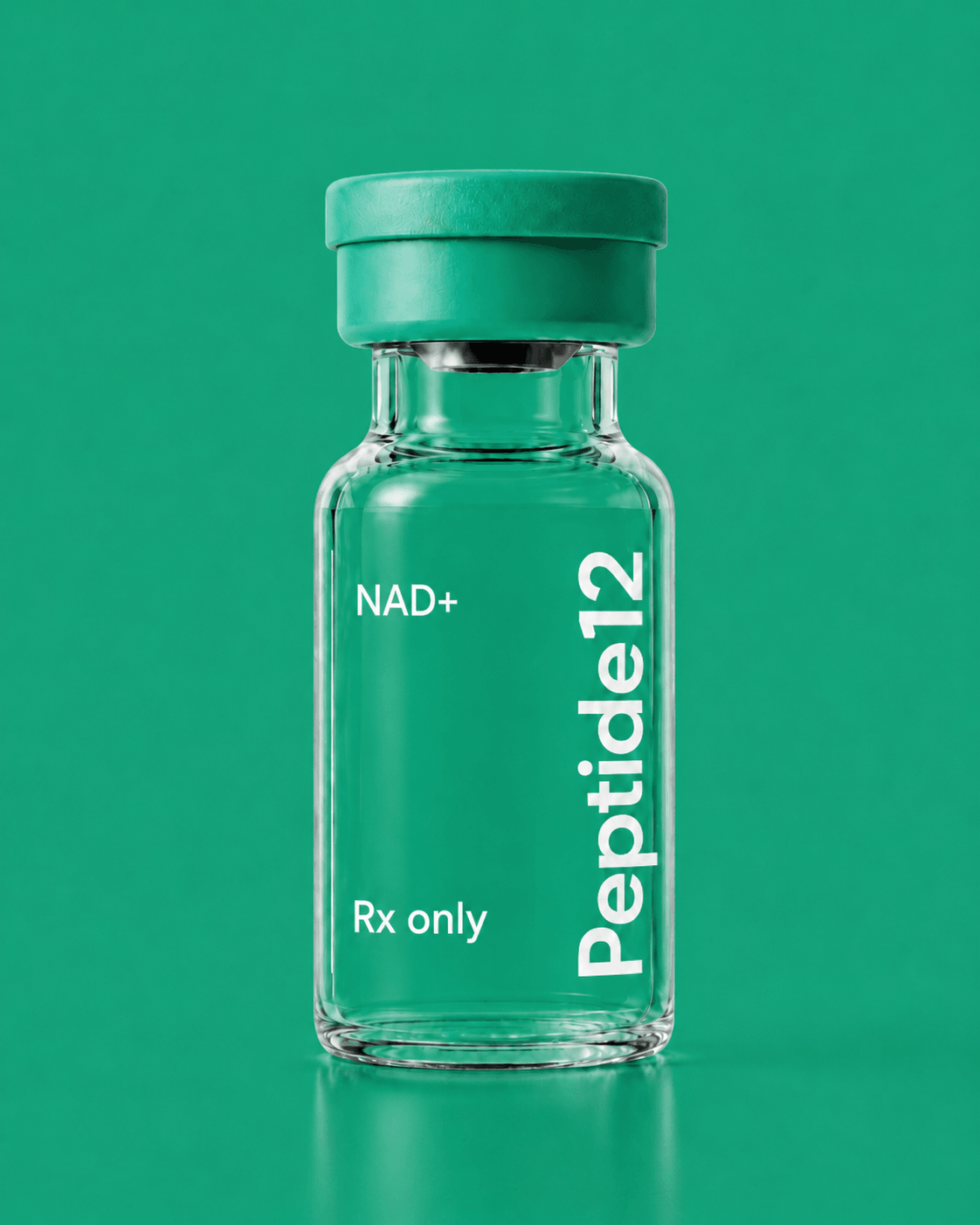
From $65/mo
From $65/mo
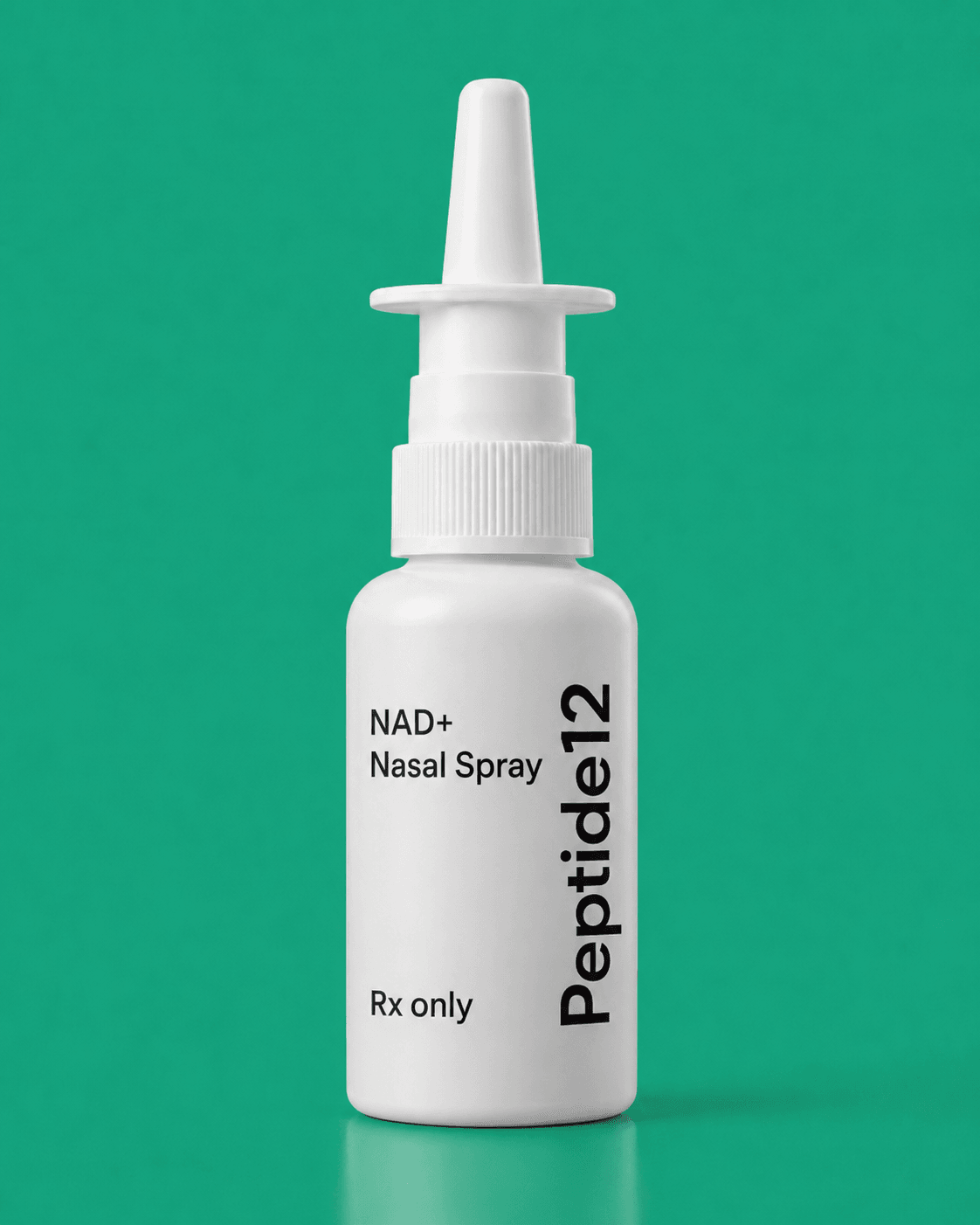
From $65/mo

From $59/mo
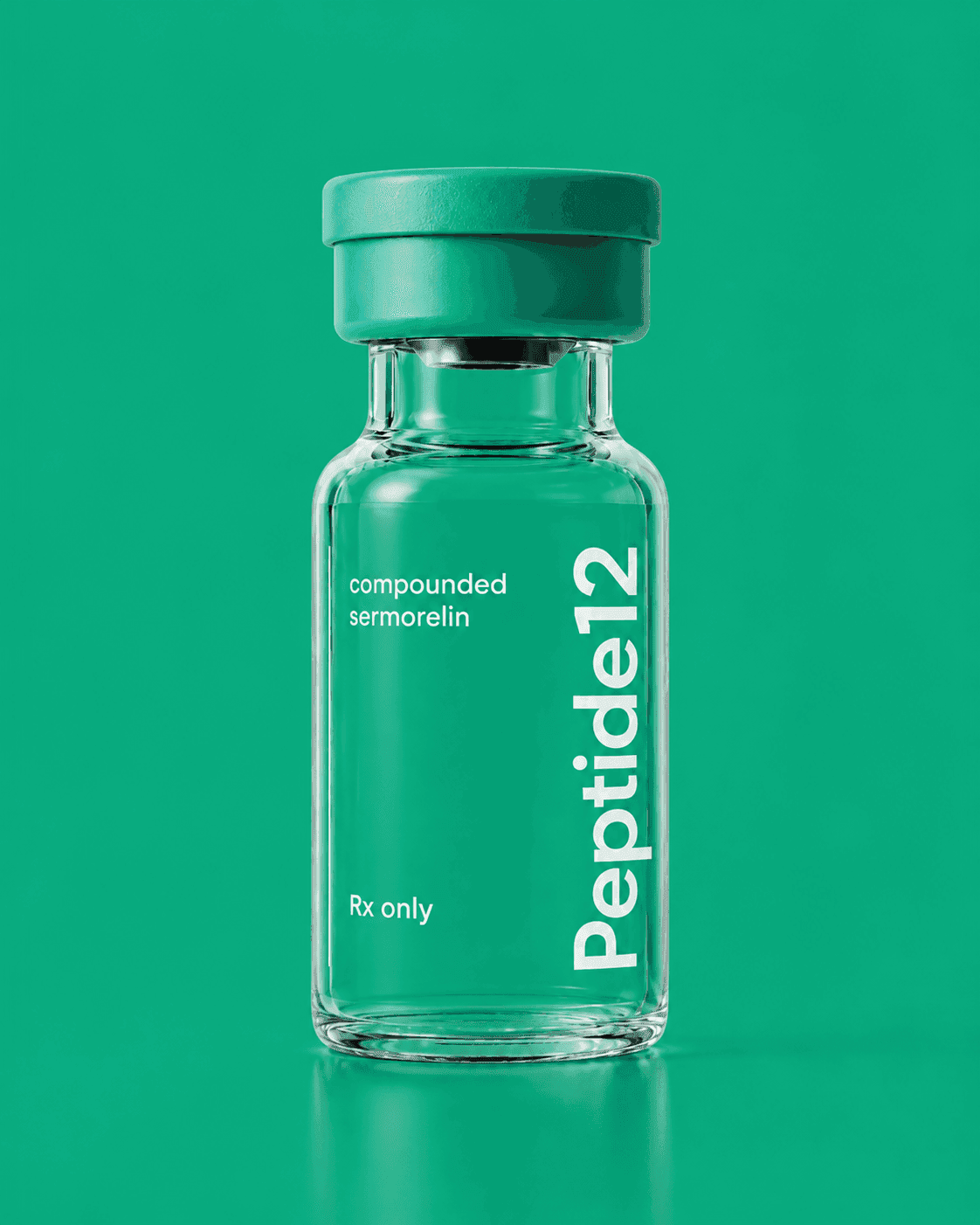
From $59/mo
From $59/mo
From $65/mo
From $59/mo

NAD+, glutathione, and methylene blue questions should be reviewed by route, medication list, source, and realistic evidence limits.
NAD+ (nicotinamide adenine dinucleotide) is a coenzyme involved in cellular-energy metabolism and repair pathways, but patient-facing longevity claims should stay measured. Fatigue, focus changes, recovery goals, and healthy-aging questions can also reflect sleep, nutrition, hormones, medications, mental health, or primary-care issues that need review.
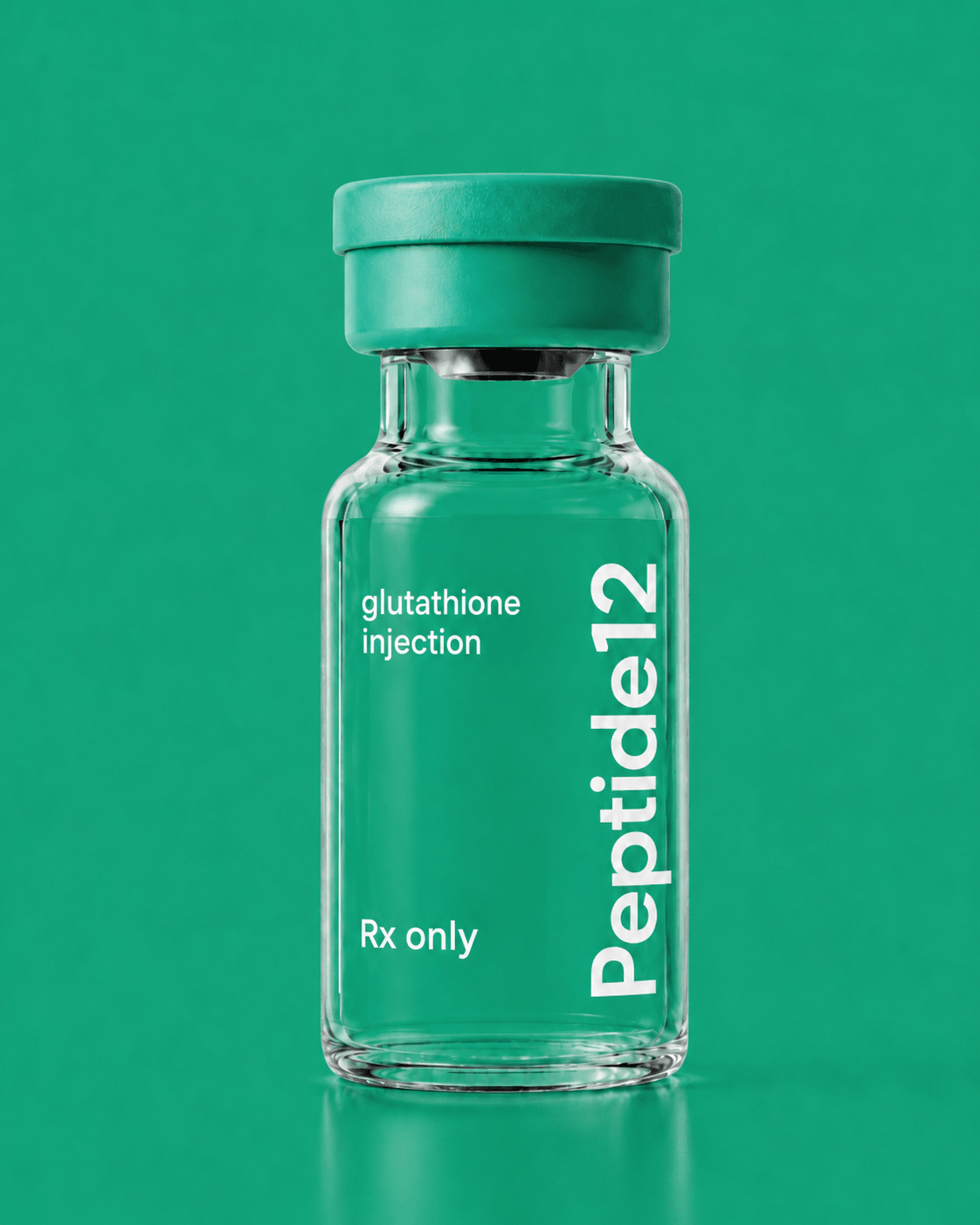
Peptide12 lists compounded NAD+ injection or nasal options, glutathione, low-dose oral methylene blue, B12 MIC, and lipotropic injections as separate provider-review pathways. A responsible plan should confirm the route, compounded or off-label status, pharmacy source, medication or supplement overlap, side-effect history, and follow-up expectations instead of promising anti-aging, detox, energy, or focus results. Browse the full menu of longevity peptide treatments.
STEP
1
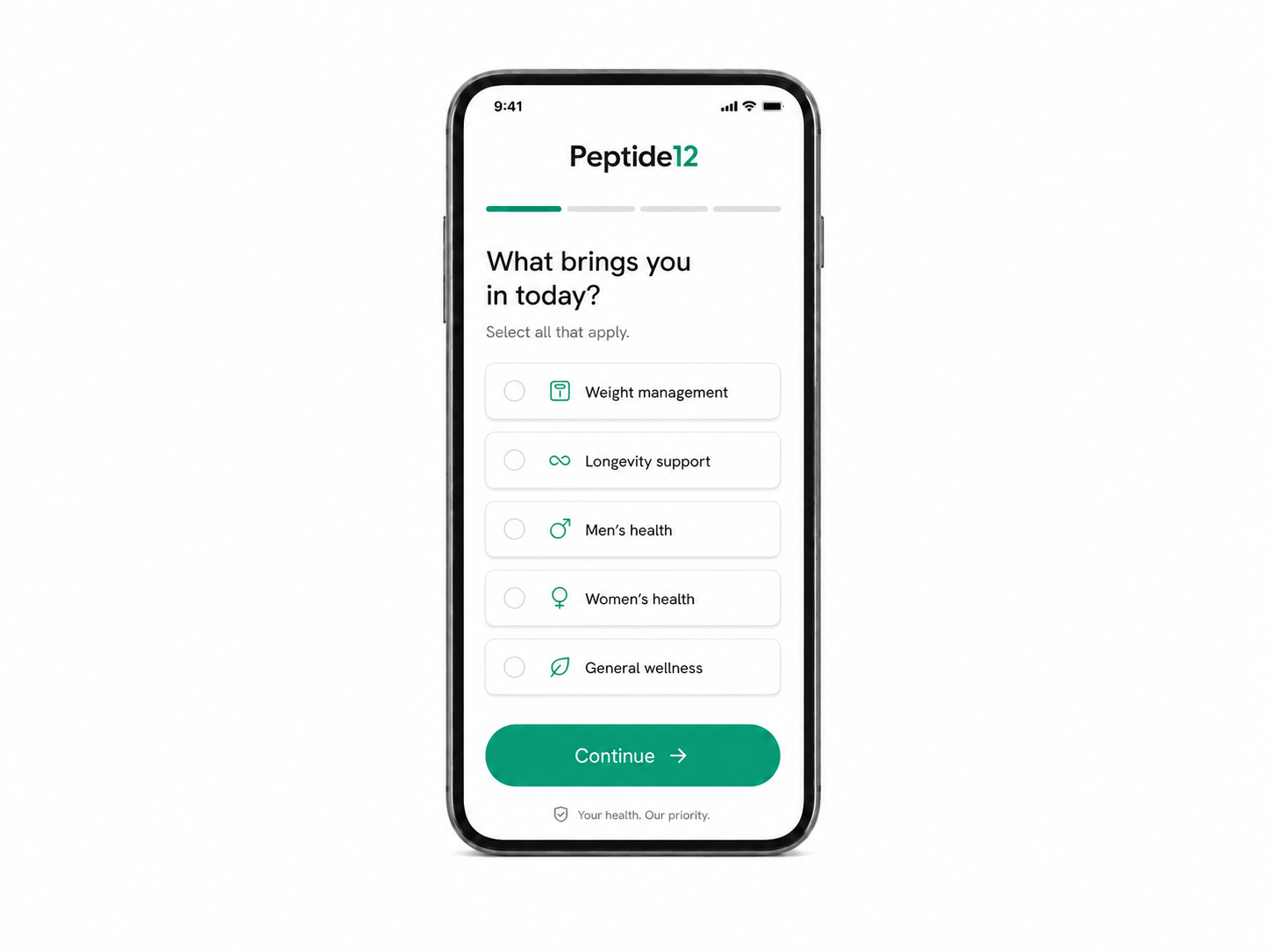
Share your health profile online. A US-licensed provider reviews your fit and decides whether peptide therapy is right for you.
STEP
2
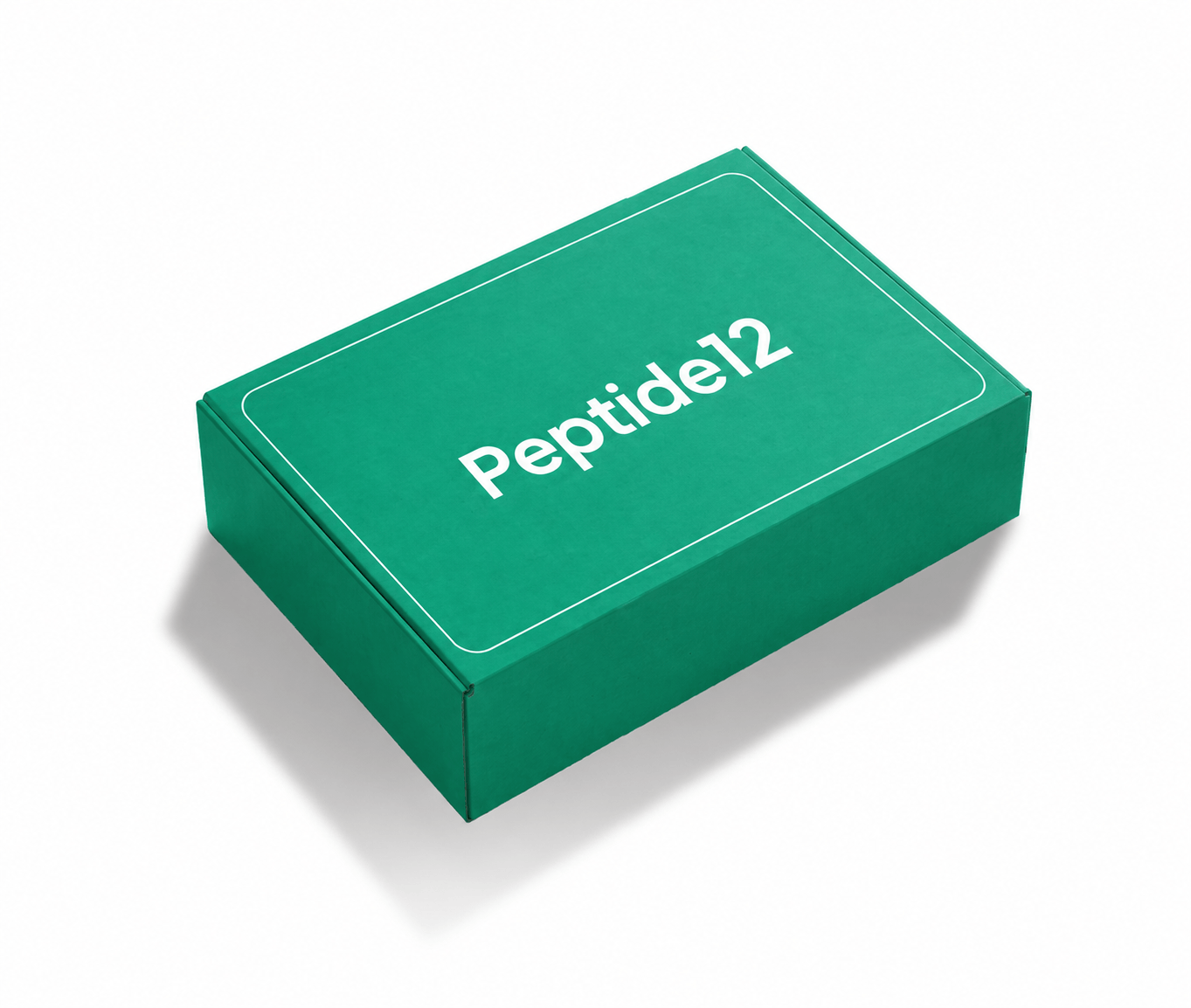
If approved, your custom prescription ships free and overnight in temperature-controlled packaging, arriving at your home.
STEP
3
Message your care team with response, side-effect, medication, refill, route, or pharmacy questions so the plan can be reassessed as needed.

Patients pick us for clinical rigor, transparent pricing, and care that doesn’t disappear after checkout.
Prescriptions are dispensed through licensed U.S. pharmacy channels or registered outsourcing facilities when applicable, with label, source, and quality-documentation questions handled before shipment.
Licensed providers in your state, not just an order form. Your provider titrates dosing and answers messages directly.
One flat price per protocol. No membership fees, no insurance hassle, no surprise charges. HSA and FSA accepted. Cancel anytime.
Message your care team through your patient portal whenever you need to. Most replies within hours, never longer than 24.
Clinical decision guides
Use these guides to prepare for provider review, especially when product status, medical history, medications, labs, pharmacy quality, or follow-up plans could change the prescription decision.
Set realistic NAD+ goals by route, fatigue context, supplement overlap, pharmacy quality, follow-up, and online seller red flags.
Read guide →Review pregnancy or breastfeeding context, perimenopause symptoms, fatigue workup, route fit, supplement overlap, pharmacy quality, and seller red flags.
Read guide →Review fatigue or recovery goals, testosterone or ED-medication context, supplement overlap, route fit, pharmacy quality, and seller red flags before NAD+ care.
Read guide →Compare injection and nasal spray pricing by route, provider review, pharmacy quality, supplies, shipping, and insurance expectations.
Read guide →Compare low-dose oral methylene blue pricing with prescription review, SSRI and G6PD screening, pharmacy sourcing, shipping, and no-prescription seller red flags.
Read guide →Compare routes by onset, dosing rhythm, tolerability, provider review, pharmacy quality, and what the evidence does and does not establish.
Read guide →Review antioxidant-support claims, allergy or asthma history, sterile-compounding quality, route limits, and detox or skin-lightening red flags.
Read guide →Compare routes by absorption evidence, sterile-compounding quality, allergy screening, cost, and realistic antioxidant-claim limits.
Read guide →Review who is and is not a candidate, medication and supplement overlap, baseline expectations, pharmacy quality, and seller red flags.
Read guide →Frame focus or energy goals around serotonin-risk screening, G6PD questions, evidence limits, pharmacy quality, and no-prescription seller red flags.
Read guide →Review SSRI/SNRI, opioid, cough-medicine, G6PD, pregnancy, anemia, liver or kidney, and pharmacy-source questions before low-dose oral methylene blue.
Read guide →Check antidepressants, opioids, stimulants, migraine medicines, cough products, linezolid, supplements, G6PD risk, and pharmacy sourcing before oral methylene blue.
Read guide →Patient feedback on longevity-protocol review, route selection, pharmacy sourcing, follow-up, and evidence limits.
Individual experiences vary and do not guarantee eligibility, prescription approval, symptom improvement, or a specific result.
“The NAD+ review separated fatigue, sleep, supplement overlap, route questions, and realistic evidence limits before deciding whether treatment made sense.”
Hassan M.
Denver, CO
“My glutathione consult focused on medication history, allergy screening, sterile pharmacy sourcing, and avoiding detox claims that sounded too good to be true.”
Joelle R.
Sacramento, CA
“I wanted a needle-free NAD+ discussion, and the provider explained route tradeoffs without promising that a nasal option would replace medical evaluation.”
Ravi P.
Austin, TX
“For methylene blue, the intake emphasized SSRI/SNRI, G6PD, anemia, pregnancy, and pharmacy-source questions before discussing any low-dose oral option.”
Tessa W.
Pittsburgh, PA
“The B12 MIC review treated my energy goals honestly, with diet, sleep, and lab context covered before anything was prescribed.”
Felix K.
Madison, WI
“Before trying a topical NAD+ product, the provider asked about retinoids, acids, recent procedures, sensitive skin, and what changes would require dermatology care.”
Nora E.
Hartford, CT
Route, formulation, goals, and tolerance can change the review. Injection, nasal, topical, and oral options should not be treated as interchangeable; the provider should match the product route to the goal, medication list, side-effect history, pharmacy source, and evidence limits.
Low-dose oral methylene blue may be tolerated by selected adults after provider screening, but it is not appropriate for everyone. It can be unsafe with serotonergic medicines such as SSRIs/SNRIs because of serotonin-syndrome risk, and FDA labeling for IV methylene blue lists G6PD deficiency as a contraindication because of hemolysis risk. Your provider screens for contraindications during intake.
Timing varies by route, product, baseline health, medications, sleep, nutrition, and the goal being measured. A responsible plan should set realistic baselines, review side effects, and reassess whether NAD+, glutathione, methylene blue, labs, or another care path is appropriate rather than promising a fixed timeline.
Only after provider review. Combining NAD+, glutathione, methylene blue, supplements, stimulants, antidepressants, or other products can complicate side effects, interactions, cost, and follow-up, so the care team should review the full medication list and goal before adding another product.
NAD+ and glutathione are not FDA-approved as finished drug products for longevity indications, but they may be compounded by 503A pharmacies under individualized prescription. FDA-approved methylene blue products are IV drugs for acquired methemoglobinemia; low-dose oral use for cognitive or longevity-support goals is off-label or compounded and should be discussed with evidence limits.
NAD+, glutathione, methylene blue — one care team, one prescribing provider, one transparent price per protocol.
Information for educational purposes only. Eligibility, dosing, and treatment decisions are made by a US-licensed prescribing provider based on your medical history. Compounded medications are not FDA-approved as finished drug products and are prepared through licensed pharmacy channels under individualized prescription.