Peptide12 lab work before peptide therapy: what clinicians may review

At Peptide12, lab work before peptide therapy is individualized. A licensed clinician may review recent blood tests, medications, symptoms, medical history, and treatment goals before deciding whether treatment is appropriate, more testing is needed, or local care is safer. There is no single lab panel that fits every peptide protocol or every patient.
That point matters because “peptide therapy” is a broad phrase. A GLP-1 medication, hormone-related concern, recovery protocol, sexual-health treatment, or longevity plan can raise different safety questions. If you found this page by searching Peptide 12 or 12 peptide, the key point is the same: lab review should support a clinician-led Peptide12 evaluation, not rubber-stamp a prescription.
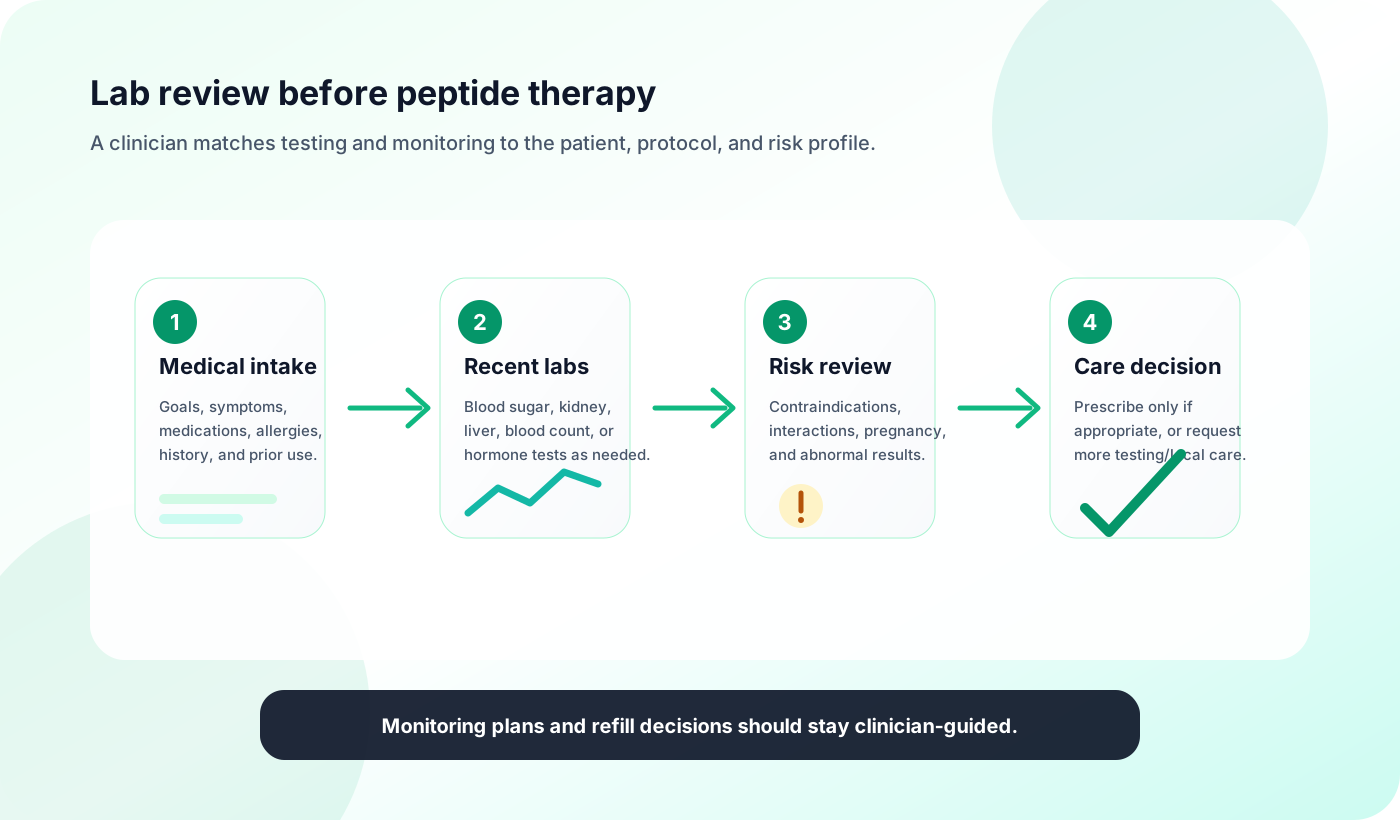
Why labs may matter before peptide therapy
Labs can help a clinician understand baseline health, spot risks, and decide whether a requested protocol makes sense. They can also show when telehealth is not enough.
For example, a clinician may want to understand:
- whether blood sugar, kidney, liver, blood count, lipid, thyroid, or hormone results are relevant to the requested therapy
- whether symptoms match the patient’s stated goals
- whether current medications or supplements create interaction concerns
- whether abnormal values need primary-care, specialist, or urgent evaluation
- whether follow-up labs should be repeated before refills or dose changes
Labs are not a substitute for clinical judgment. They are one part of a larger safety review.
There is no universal “peptide lab panel”
Some clinics and wellness sites promote broad “peptide therapy blood work” panels. That can sound thorough, but bigger is not always better. Testing should be tied to a clinical question.
A clinician may review different information depending on the therapy:
| Care goal or protocol type | Lab review may focus on | Why it can matter |
|---|---|---|
| GLP-1 or weight-management medication | Blood sugar history, kidney function, metabolic risk factors, medication list, gastrointestinal history | Eligibility, side-effect risk, dosing decisions, and follow-up needs vary by patient. |
| Hormone-related concerns | Testosterone or other hormone-related labs when appropriate, plus symptoms and medication history | Lab values need context; symptoms, timing, and contraindications affect decisions. |
| Recovery or performance protocols | Health history, medication list, injury context, allergies, prior reactions, and relevant basic labs if needed | Evidence and safety vary by protocol, and sports-testing considerations may apply. |
| Longevity or wellness protocols | Baseline health, medications, chronic conditions, and protocol-specific monitoring needs | Broad “anti-aging” claims are not enough; the plan should be medically justified. |
The safer question is not “Which panel does everyone need?” It is “Which results would change the plan for this patient and this protocol?”
Common lab categories a clinician may consider
The exact lab list should be individualized. Still, several categories often come up in medical screening conversations.
Complete blood count
A complete blood count, often called a CBC, measures several types of blood cells. It can help clinicians evaluate issues such as anemia, infection signals, or other blood-cell abnormalities depending on the context. A CBC does not prove that peptide therapy is appropriate, but it may be useful background information for some patients.
Comprehensive metabolic panel
A comprehensive metabolic panel, or CMP, includes markers related to kidney function, liver function, electrolytes, blood proteins, and glucose. Kidney or liver concerns can affect medication decisions, monitoring plans, and whether a patient needs local medical evaluation.
Blood glucose and metabolic markers
Blood glucose testing and related metabolic data can matter for patients seeking weight-management or GLP-1-related care. A clinician may review prior diabetes history, symptoms, current medications, and risk factors alongside lab results.
Thyroid and hormone-related testing
Thyroid symptoms or hormone-related goals may call for targeted testing. Testosterone testing can be relevant in some hormone evaluations, but it should be interpreted with symptoms, timing, medications, age, and the full clinical picture.
What can happen if labs are missing or abnormal?
Missing or abnormal lab results do not always mean treatment is impossible. They do mean the clinician may need more context.
A conservative online care team may:
- ask for recent lab results before making a prescription decision
- request additional testing through a local lab or primary-care clinician
- recommend in-person evaluation for concerning symptoms or severe abnormalities
- choose a different treatment path
- delay a refill until follow-up data are reviewed
- decline treatment if the risk-benefit picture is not appropriate
That is a safety feature, not a failure of the process.
How labs fit into online peptide therapy intake
A well-designed intake asks about more than height, weight, and shipping address. Patients should expect questions about medications, allergies, medical conditions, surgical history, pregnancy or breastfeeding when relevant, prior reactions, goals, symptoms, and recent lab work.
The Peptide12 clinician then decides whether the available information is enough. If it is not, the next step may be a follow-up question, a lab request, a referral, or a decision not to prescribe. Existing lab results can be helpful context, but they do not replace a product-specific review of the patient’s goals, medications, contraindications, and follow-up needs.
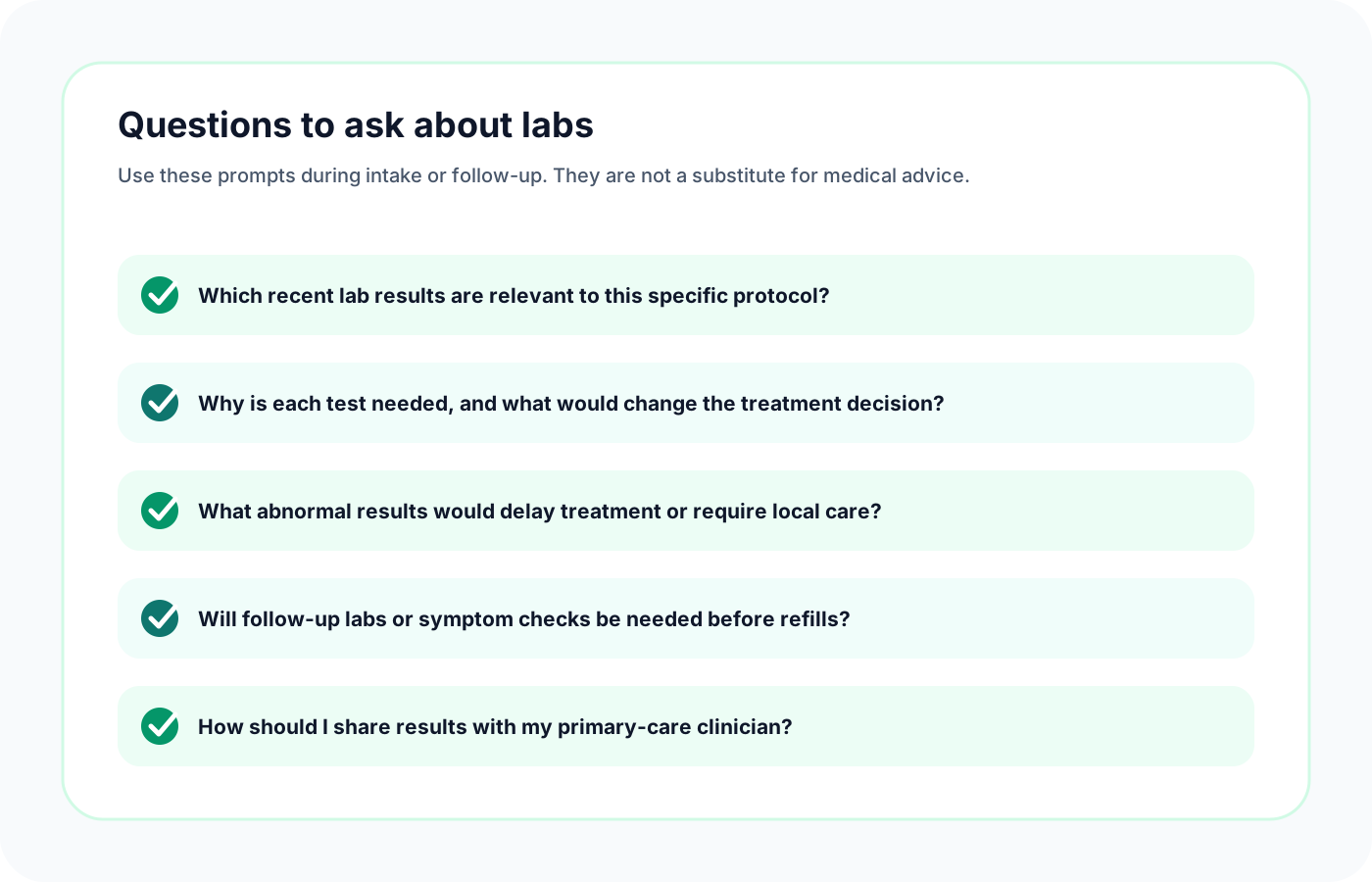
Questions to ask before starting
Bring specific questions to the intake instead of trying to self-interpret a large lab report.
Useful questions include:
- Which recent labs are relevant to this specific protocol?
- What result would change the treatment decision?
- Are any of my results concerning enough to need local care?
- Will I need repeat labs before dose changes or refills?
- How should I share results with my primary-care clinician?
- What symptoms should make me pause treatment and contact the care team?
Red flags around labs and peptide therapy
Be careful with any online peptide seller or clinic that:
- sells products for human use without clinician review or a prescription pathway
- uses lab work only as marketing, not medical decision-making
- promises approval if you buy a certain panel
- suggests patients should self-dose based on biomarkers
- ignores abnormal results or new symptoms
- hides pharmacy sourcing or sells research-use products for treatment
Peptide therapy should be clinician-led when used in medical care. Lab review should support that process, not replace it.
Bottom line
Lab work before peptide therapy should be matched to the person, the protocol, and the safety questions that could change care. Some patients may need recent labs before a prescription decision. Others may need different screening or in-person follow-up. The Peptide12 goal is not to create a universal checklist; it is to help a licensed clinician make a safer, more appropriate decision.