What happens when you stop GLP-1 medication?
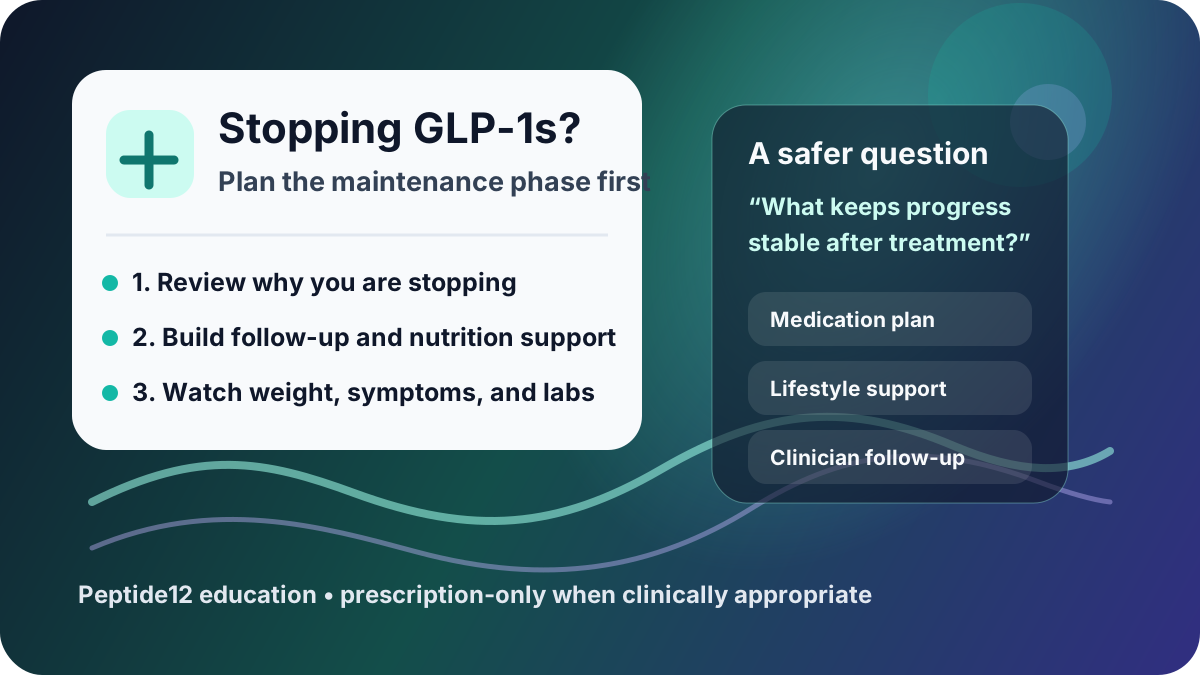
Stopping a GLP-1 medication can cause appetite to return and may lead to weight regain for many people. Do not stop, taper, or change semaglutide, tirzepatide, Wegovy, Ozempic, Zepbound, Mounjaro, or a compounded GLP-1 without guidance from the clinician who prescribed it.
The better question is not simply, "What happens when I stop?" It is, "What maintenance plan protects the progress that was medically appropriate for me?" That plan may include continuing treatment, changing dose, switching medications, pausing for a specific reason, or stopping with closer follow-up.
Why appetite and weight can change after stopping
GLP-1 receptor agonists and dual incretin medications work partly by affecting appetite, fullness, gastric emptying, and metabolic signals. When medication is reduced or stopped, those effects may fade. For some patients, hunger rises quickly. For others, the change is slower and mixed with cost, side effects, access, or life-stage decisions.
Clinical research supports the need for maintenance planning. In the STEP 1 trial extension, participants who stopped semaglutide regained a substantial portion of prior weight loss over the follow-up period and cardiometabolic improvements moved back toward baseline. In SURMOUNT-4, adults who continued tirzepatide maintained more weight reduction than those switched to placebo after an initial treatment period.
Those findings do not prove what will happen to every patient. They do show why stopping should be treated as a medical transition, not a casual checkout decision.
Common reasons people consider stopping
People search this topic for very different reasons. A clinician needs to know which one applies before recommending a next step.
| Reason | What to discuss before changing therapy |
|---|---|
| Side effects | Nausea, vomiting, constipation, reflux, dehydration, gallbladder symptoms, pancreatitis concerns, dose timing, and whether symptoms need urgent evaluation |
| Cost or coverage | Total monthly cost, insurance changes, alternatives, medication availability, and whether a pause is medically reasonable |
| Goal reached | Whether obesity or diabetes markers still need treatment, what maintenance target is realistic, and how relapse will be monitored |
| Shortage or access issue | Whether a branded alternative, different medication, or temporary plan is safer than using an unverified seller |
| Pregnancy planning | Timing, medication-specific guidance, and coordination with the prescribing clinician and OB/GYN where relevant |
| Diabetes treatment | Glucose control, A1c, hypoglycemia risk with other medications, and what replaces the GLP-1 if it was part of diabetes care |
If the medication is compounded, the discussion should also include pharmacy source, active ingredient, dosing units, storage, adverse events, and the fact that compounded drugs are not FDA-approved in the same way branded products are.
Should GLP-1 medication be tapered?
There is no universal tapering rule that applies to every GLP-1 medication, patient, and indication. Some clinicians may lower dose gradually, some may switch therapy, some may continue long term, and some may stop because side effects or safety concerns outweigh benefits.
Do not design your own taper from social media advice. The right plan depends on the exact medication, dose, treatment goal, side effects, diabetes status, pregnancy plans, kidney function, gastrointestinal history, other medications, and whether the drug was prescribed for obesity, type 2 diabetes, or another clinician-determined reason.
What a maintenance plan can include
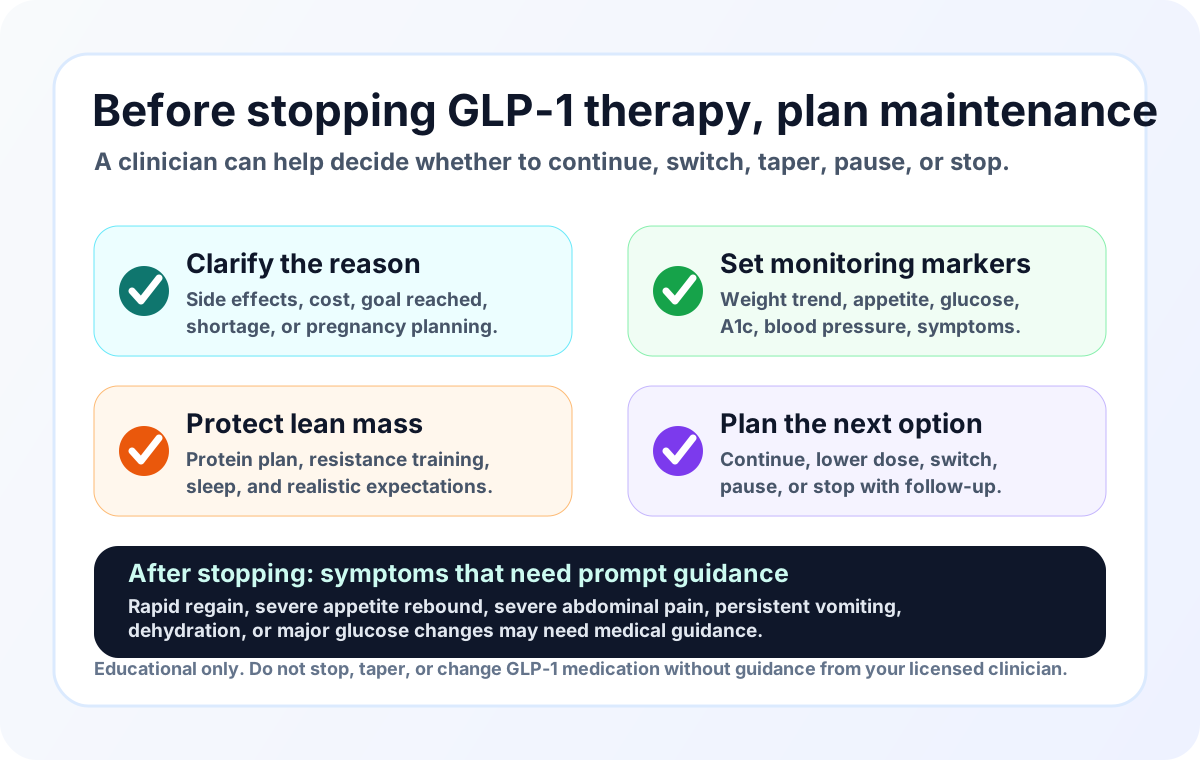
A practical maintenance plan is specific enough to follow and conservative enough to adjust when symptoms or labs change.
- A medication decision. Continue, lower dose, switch, pause, or stop only after clinician review.
- A nutrition plan. Protein target, fiber, hydration, meal timing, and a plan for hunger returning.
- Resistance training. Preserving muscle matters during and after weight loss.
- Monitoring markers. Weight trend, waist measure if useful, blood pressure, glucose or A1c when relevant, lipids, symptoms, and medication tolerance.
- Follow-up timing. A planned check-in is safer than waiting until weight regain or side effects become stressful.
- Escalation rules. Know when to contact the care team, seek urgent care, or restart evaluation.
This is also where online care should prove its value. A responsible telehealth program should not treat GLP-1 therapy as a one-time transaction. The program should help patients understand eligibility, risks, side effects, pharmacy pathway, follow-up, and alternatives when a medication is no longer appropriate.
Red flags after stopping or changing GLP-1 therapy
Contact a clinician promptly if you develop severe or worsening abdominal pain, persistent vomiting, signs of dehydration, fainting, concerning glucose changes, symptoms of gallbladder disease, or rapid health changes after a medication adjustment. People with diabetes, kidney disease, a history of pancreatitis or gallbladder disease, pregnancy plans, eating disorder history, or multiple medications should be especially cautious about unsupervised changes.
This article is educational and cannot tell an individual patient whether to stop, restart, taper, or switch medication.
How Peptide12 approaches this conversation
Peptide12 focuses on clinician-guided telehealth rather than no-prescription shortcuts. When GLP-1 therapy is relevant, the decision should include health history, medication review, goals, contraindications, safety counseling, and follow-up. Eligibility and availability vary, and treatment is prescribed only when a licensed clinician determines it is appropriate.
Related Peptide12 guides:
- GLP-1 weight loss options
- Semaglutide injection
- Tirzepatide injection
- Compounded GLP-1 shortage rules in 2026
- Compounded GLP-1 explainer
- Peptide therapy safety checklist
FAQs
Will I regain weight after stopping GLP-1 medication?
Some people regain weight after stopping GLP-1 therapy, especially if appetite returns and no maintenance plan is in place. Clinical trial extensions for semaglutide and withdrawal data for tirzepatide show that continued treatment helped maintain more weight loss than stopping in studied groups. Individual results vary.
Should I taper a GLP-1 instead of stopping suddenly?
Do not change the dose or schedule without your prescribing clinician. Tapering, continuing, switching, pausing, or stopping may be considered for different reasons, but the safest choice depends on the medication, indication, side effects, glucose status, pregnancy plans, cost, and medical history.
What should I monitor after stopping semaglutide or tirzepatide?
Clinicians may monitor weight trend, appetite, blood pressure, glucose or A1c when relevant, gastrointestinal symptoms, hydration, nutrition intake, activity, sleep, and whether any prior obesity-related or diabetes-related markers are worsening.
Can lifestyle changes replace GLP-1 medication?
Nutrition, resistance training, sleep, and behavioral support are important for maintenance, but they are not a guaranteed substitute for medication. Obesity is a chronic medical condition for many patients, so the plan should be individualized with a licensed clinician.
Sources
- PubMed: Weight regain and cardiometabolic effects after withdrawal of semaglutide: The STEP 1 trial extension
- JAMA: Continued Treatment With Tirzepatide for Maintenance of Weight Reduction in Adults With Obesity: The SURMOUNT-4 Randomized Clinical Trial
- NIDDK: Prescription medications to treat overweight and obesity
- FDA: FDA’s Concerns with Unapproved GLP-1 Drugs Used for Weight Loss
- FDA: Compounding and the FDA, Questions and Answers