GLP-1 microdosing: what online patients should ask before trying a low dose
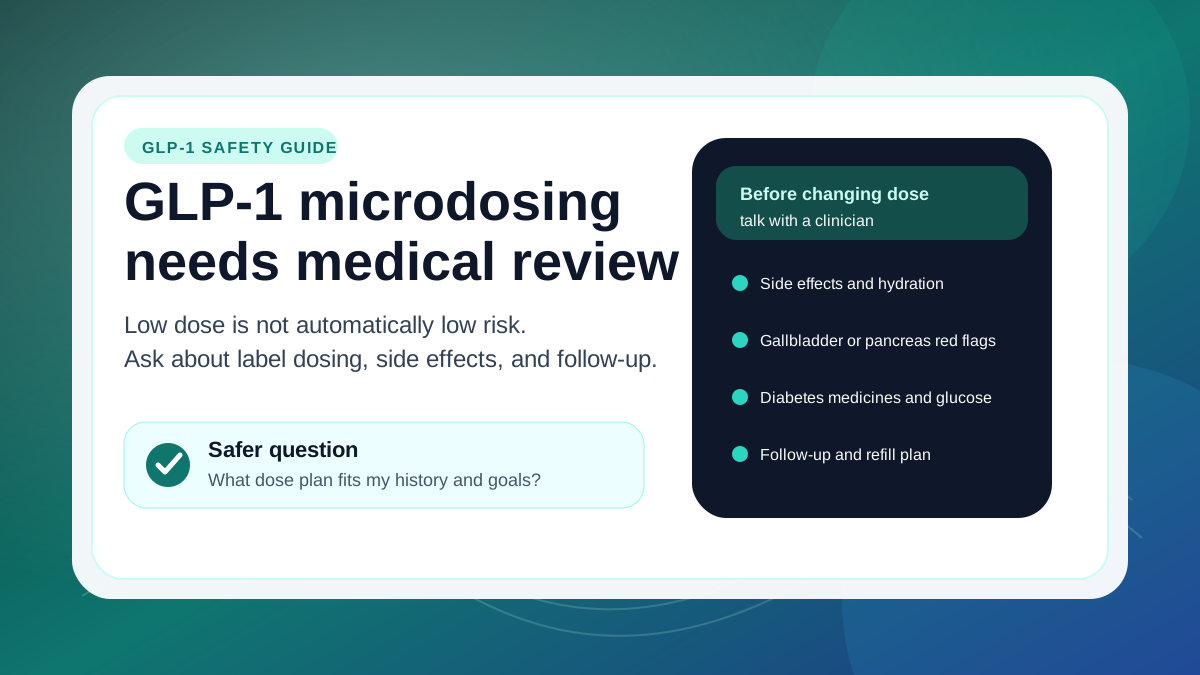
GLP-1 microdosing is a trend, not a universal medical standard. It usually means a lower-than-standard or slower-titrated dose of semaglutide, tirzepatide, or another GLP-1 pathway medication. Low dose does not mean low risk, and patients should not change a prescription without clinician guidance.
Search interest is rising because people want fewer side effects, lower costs, gentler starts, or weight maintenance after larger losses. Those are reasonable topics to discuss with a licensed clinician. They are not reasons to copy a dose chart from TikTok, stretch a prescription without telling the prescriber, or buy research-labeled peptides online.
What people mean by GLP-1 microdosing
There is no single official definition. In everyday use, "microdosing" can mean several different things:
| What patients may mean | Why it needs medical review |
|---|---|
| Starting lower than a labeled starter dose | The clinician needs to weigh tolerability against whether the dose is likely to help. |
| Increasing more slowly than the usual titration schedule | Slower titration may be considered for side effects, but follow-up still matters. |
| Staying on a low maintenance dose | Maintenance planning depends on weight history, metabolic health, appetite, labs, and goals. |
| Splitting or stretching doses for cost | This can create dosing mistakes, gaps in effect, or unsafe self-management. |
| Using compounded medication in smaller increments | Concentration, units, labeling, pharmacy source, and legal availability all matter. |
The important distinction: individualized prescribing is medical care. Social media microdosing is not.
Why the trend is growing now
The current GLP-1 conversation is crowded. People see dramatic before-and-after stories, news about medication shortages, high cash prices, maintenance questions, and side-effect posts. It makes sense that some patients ask whether a smaller dose could be enough.
Medical publishers and clinics have started covering the topic because patients are asking about it. A useful answer should be clear and cautious: a lower dose can be a conversation, but not a shortcut around prescribing, monitoring, pharmacy quality, or realistic expectations.
What the approved labels tell us
FDA-approved GLP-1 and GIP/GLP-1 products already use stepwise dosing. Wegovy, Ozempic, Zepbound, and Mounjaro labels describe starting doses, dose escalation, maintenance doses, warnings, contraindications, and when clinicians may need to delay escalation or manage adverse reactions.
That matters because many "microdose" posts treat standard titration as if it were optional guesswork. It is not. Labeling exists because dose, timing, side effects, and patient selection affect safety.
A clinician may consider a slower or individualized plan in some situations, but patients should ask what the plan is based on:
- Is the goal to reduce early nausea, constipation, reflux, or vomiting?
- Is the patient restarting after a break?
- Is the patient moving from weight-loss dosing to maintenance?
- Are there medication interactions, diabetes medications, or glucose concerns?
- Is the proposed dose likely to produce meaningful benefit, or mostly reduce cost?
- How will the plan change if appetite, weight, labs, or side effects shift?
Low dose can still have side effects
Semaglutide and tirzepatide affect appetite signaling, gastric emptying, glucose regulation, and gastrointestinal symptoms. Even at lower doses, patients may experience nausea, vomiting, diarrhea, constipation, reflux, appetite suppression, dehydration, fatigue, or injection-site reactions.
Some symptoms deserve prompt medical guidance, not another dose experiment:
- severe or persistent abdominal pain, especially with vomiting;
- ongoing vomiting, inability to keep fluids down, or dehydration;
- symptoms that could suggest gallbladder problems;
- allergic symptoms such as swelling, hives, or trouble breathing;
- major blood sugar changes, especially for people taking diabetes medications;
- pregnancy, planned pregnancy, or breastfeeding questions.
This is why the safer message is boring: start with medical history, medication list, contraindications, and follow-up access before the dose conversation.
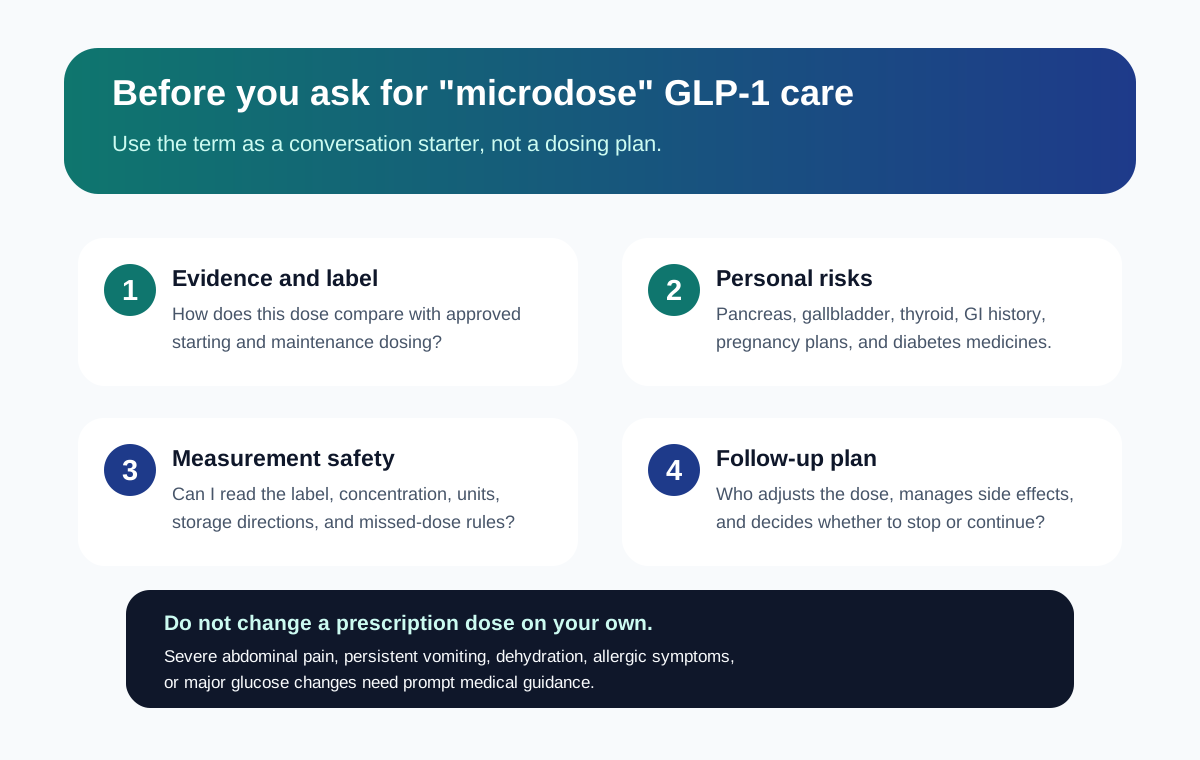
The safest questions to ask before trying a low dose
If you are curious about GLP-1 microdosing, bring the idea to a licensed clinician and ask direct questions.
- What problem are we solving? Side effects, cost, restarting, maintenance, or cautious initiation are different situations.
- How does this compare with approved labeling? Ask whether the plan follows the product label, slows titration, or uses an individualized compounded approach.
- What side effects should make me call? Ask for specific symptoms and a plan for nausea, constipation, vomiting, dehydration, or abdominal pain.
- What medical history changes the risk? Pancreatitis, gallbladder disease, severe GI disease, thyroid cancer syndromes, pregnancy plans, eating disorder history, kidney disease, and diabetes medicines can change the decision.
- How will dosing be measured? This is especially important with compounded medication, where concentration and units can be misunderstood.
- When is follow-up? A dose plan without follow-up is not much of a plan.
- What if the dose does not work? Ask how progress will be judged and what alternatives exist.
What not to do
Avoid these shortcuts:
- Do not split pens, stretch doses, or change injection frequency unless your prescriber gives clear instructions.
- Do not buy GLP-1 or "research peptide" products sold without a prescription.
- Do not assume a compounded product is FDA-approved.
- Do not keep taking a dose that causes persistent vomiting, dehydration, severe abdominal pain, or concerning glucose changes.
- Do not use microdosing as a way to pursue unsafe weight-loss goals.
FDA has warned about unapproved GLP-1 products used for weight loss, including dosing errors and products that may use salt forms or unclear ingredients. That warning is directly relevant when a website presents dosing as a quick checkout decision.
How this fits with online GLP-1 care
Online care can be appropriate when it includes real clinical review, eligibility screening, prescription decision-making, pharmacy transparency, patient education, and follow-up. It is not appropriate when the entire plan is a low-dose sales page.
For a safer comparison, read Peptide12's guides to GLP-1 weight-loss options, semaglutide injection, tirzepatide injection, compounded GLP-1 rules in 2026, and what happens when you stop GLP-1 medication.
How Peptide12 would frame the conversation
A good clinician does not need to dismiss every low-dose question. Some patients truly need slower starts, better tolerability planning, or a maintenance discussion. The safer response is to put the term "microdosing" into a medical frame:
- confirm the patient's goals and current health status;
- review contraindications, medications, and prior side effects;
- explain whether the plan matches approved labeling or differs from it;
- verify the pharmacy source and dosing instructions;
- set follow-up before changing the dose.
Eligibility and availability vary. Treatment is prescription-only and is provided only when a licensed clinician determines it is appropriate.
FAQs
What does GLP-1 microdosing mean?
GLP-1 microdosing usually means using a lower-than-standard or slower-titrated dose of a GLP-1 pathway medication. It is not a formal dosing standard for everyone, and patients should not copy a dose from social media or change a prescription without clinician guidance.
Is microdosing Ozempic or Wegovy safer?
Not automatically. A lower dose may reduce some dose-related side effects for some patients, but GLP-1 medications can still cause nausea, vomiting, dehydration, gallbladder problems, pancreatitis concerns, glucose changes, and medication interactions. Personal risk needs medical review.
Can I split or stretch my GLP-1 dose to save money?
Do not split, stretch, or change a prescription schedule without the prescriber's guidance. Cost is a real concern, but self-adjusting can create dosing errors, side effects, reduced benefit, or unsafe gaps in monitoring. Ask about approved alternatives, insurance, cash-pay options, and follow-up plans.
What should I ask an online GLP-1 clinic about low-dose treatment?
Ask why the dose is being considered, how it compares with approved labeling, what side effects or contraindications apply to you, which pharmacy dispenses the medication, how measurement is verified, and when follow-up will happen.