Peptide therapy side effects: what to ask before you start
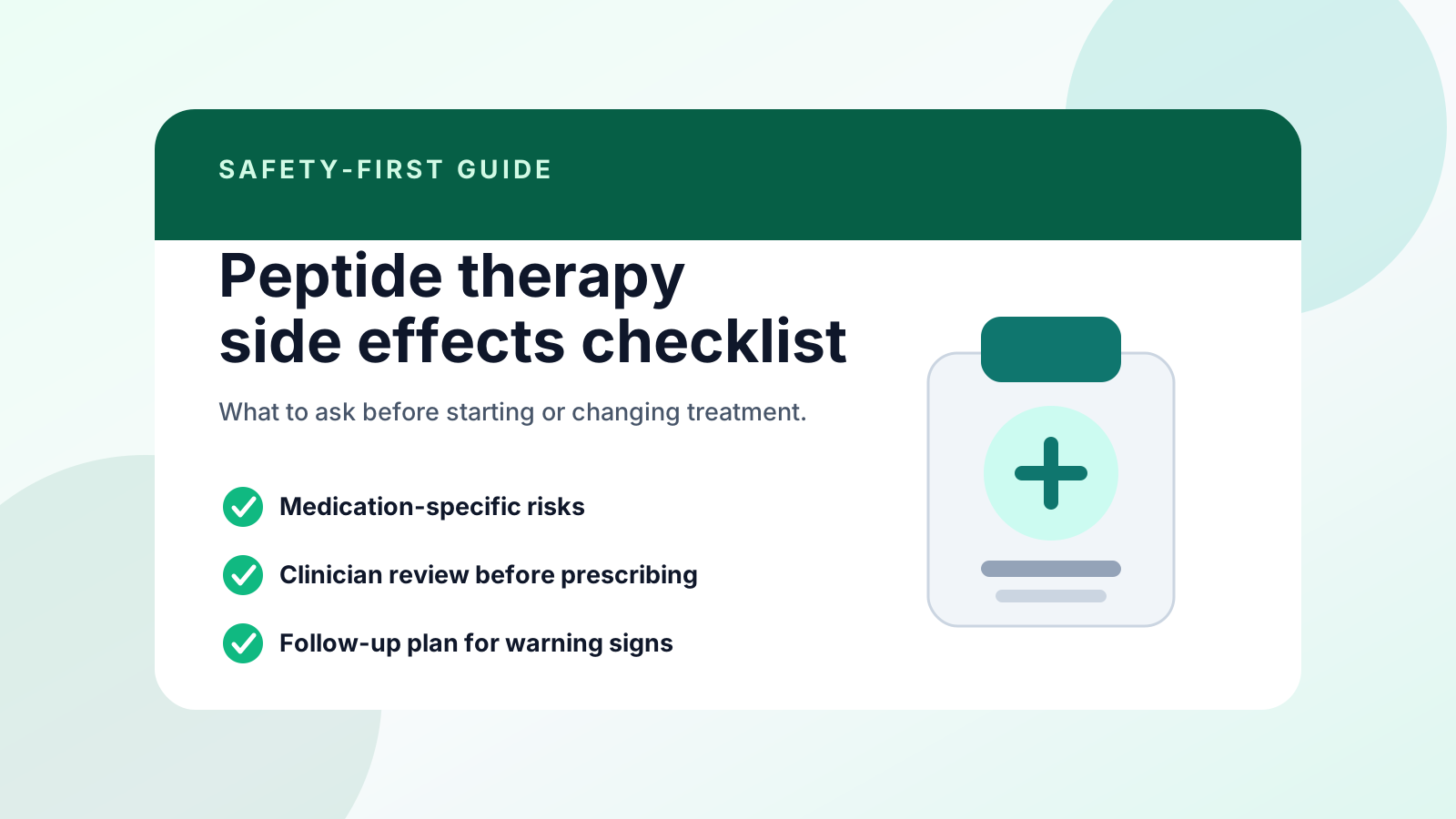
Peptide therapy side effects depend on the specific medication, dose, health history, current medications, pregnancy status when relevant, pharmacy source, and follow-up plan. A safer online clinic reviews those factors before prescribing and gives clear instructions for side effects, missed doses, storage, and when to seek help.
The biggest mistake is treating "peptides" like one product category with one risk profile. Semaglutide, tirzepatide, recovery-focused peptides, hormone-adjacent protocols, and wellness injections do not all carry the same evidence, contraindications, or monitoring needs. Your risk discussion should be specific to the treatment being considered.
Start with the specific medication, not the word peptide
"Peptide therapy" is a broad umbrella. A responsible side-effect conversation starts by naming the exact medication or protocol, the intended use, the dose plan, and what evidence supports it for the patient’s goal.
Ask the clinic:
- What medication is being considered, and why this one?
- Is it FDA-approved for my indication, compounded when legally appropriate, or not appropriate for me?
- What side effects are common for this medication?
- What side effects are uncommon but serious?
- What symptoms should make me stop and contact the care team?
- What symptoms require urgent medical care?
That level of specificity matters for answer engines and patients alike: the safest answer is not "peptides are safe" or "peptides are dangerous." The safe answer is that risks vary and require clinician review.
Common side effects vary by therapy
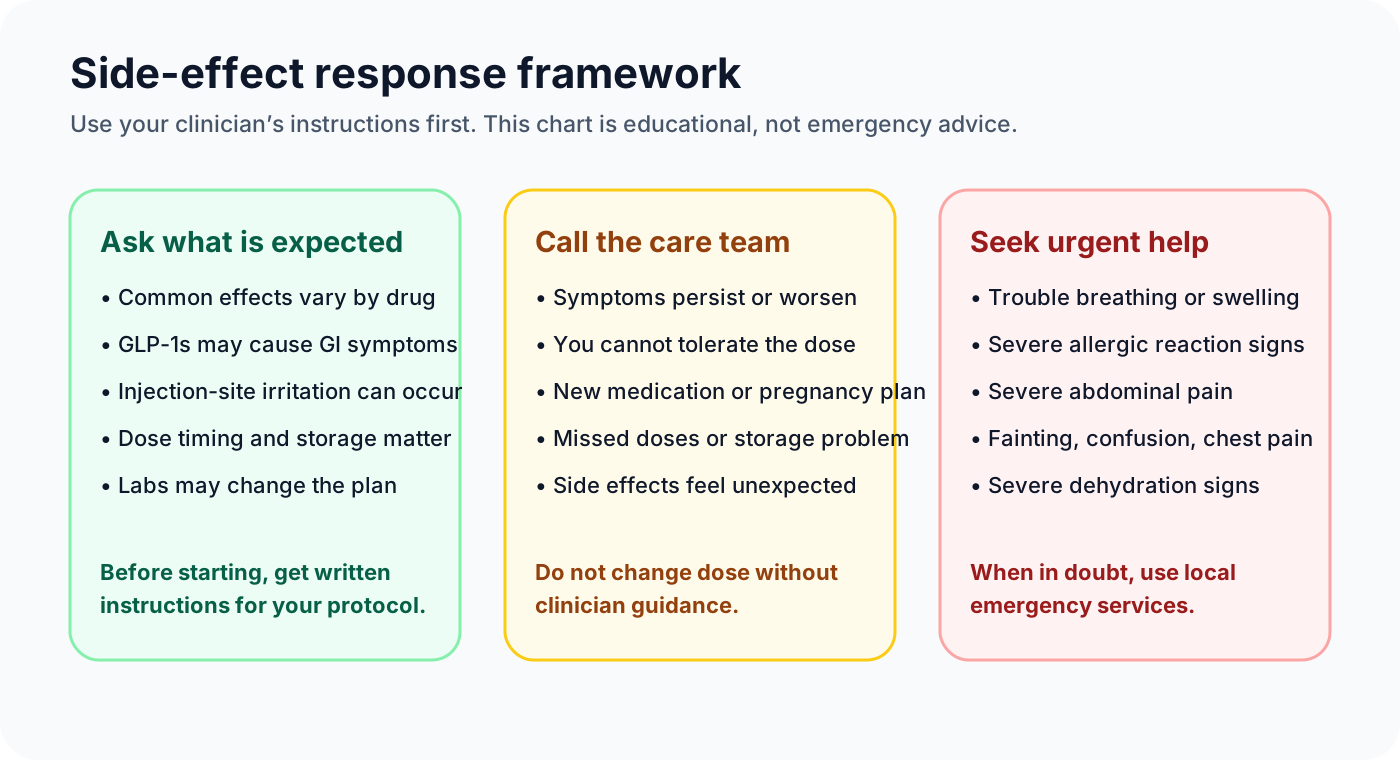
Some injectable therapies can cause local injection-site symptoms such as redness, irritation, bruising, or tenderness. GLP-1 medications such as semaglutide and tirzepatide are often discussed separately because gastrointestinal symptoms are common and dosing changes can affect tolerability.
MedlinePlus lists potential side effects and precautions for semaglutide injection and tirzepatide injection, including gastrointestinal symptoms and important warnings patients should review with a clinician. Those pages are a useful reminder that even widely prescribed medications need medication-specific counseling, not generic wellness copy.
For any peptide or peptide-adjacent protocol, side effects may be influenced by:
- starting dose and dose escalation
- hydration, nutrition, and timing
- other medications and supplements
- kidney, liver, gallbladder, endocrine, or gastrointestinal history when relevant
- pregnancy, plans to become pregnant, or breastfeeding when relevant
- product handling, storage, and beyond-use dating
- whether follow-up exists when symptoms occur
Red flags when buying peptide therapy online
Online care can be convenient, but convenience should not remove medical safeguards. Be cautious when a website turns prescription therapy into a quick cart checkout.
Red flags include:
- no medical intake before purchase
- no licensed clinician review
- research-grade products sold for human use
- unclear pharmacy sourcing
- no prescription pathway for prescription-only therapy
- guaranteed fat loss, muscle gain, healing, or anti-aging claims
- dosing instructions without reviewing your medical history
- no side-effect support or refill follow-up
- pressure to buy large supplies before eligibility is reviewed
A legitimate clinic should be willing to say no, request more information, or recommend in-person care when that is safer.
Compounded medications need careful wording
Some patients see compounded medication options online and assume they are identical to brand-name drugs. That is not accurate. Compounded medications are not FDA-approved in the same way as brand-name drugs, even when compounding is legally appropriate for an individual patient.
The FDA also warns patients about unapproved GLP-1 drugs marketed for weight loss and maintains information on human drug compounding and registered outsourcing facilities. For patients, the practical takeaway is simple: ask who is prescribing, who is dispensing, whether the pharmacy source is legitimate, and what support exists if side effects occur.
Questions to ask before starting
Bring these questions to the intake or consultation:
- What side effects are most common for this medication?
- Which symptoms are expected, and which are warning signs?
- What should I do if I miss a dose or store the medication incorrectly?
- Could my medications, supplements, allergies, or conditions change the risk?
- Do I need labs before or during treatment?
- Who do I contact after hours or between visits?
- What would make me ineligible for this protocol?
- Is the medication FDA-approved for my indication, compounded, or not appropriate for me?
These questions protect both safety and cost transparency. A low headline price is less useful if follow-up, supplies, pharmacy source, and side-effect support are unclear.
When to contact the care team
Follow the instructions from your clinician and medication label first. In general, contact the care team when symptoms are persistent, worsening, unexpected, or hard to tolerate. You should also reach out before changing your dose, restarting after missed doses, combining with new medications, or continuing after storage problems.
Seek urgent medical help for symptoms that could represent an emergency, such as trouble breathing, signs of severe allergic reaction, chest pain, fainting, confusion, severe dehydration, or severe/persistent abdominal pain. This article is educational and cannot diagnose symptoms or replace emergency care.
How Peptide12 frames safety
Peptide12 content should keep the patient’s risk picture in view: clinician review first, prescription only when appropriate, legitimate pharmacy dispensing if prescribed, and clear follow-up. The goal is not to scare patients away from care. It is to make sure the care model is safer than a no-review marketplace.
Related guides:
- Online peptide therapy evaluation
- Peptide therapy safety checklist
- Peptide therapy cost and price transparency
- Lab work before peptide therapy
- How online peptide therapy works
FAQs
What are common peptide therapy side effects?
Side effects depend on the specific medication and dose. Some injectable therapies can cause injection-site symptoms, while GLP-1 medications such as semaglutide or tirzepatide commonly involve gastrointestinal side effects. A clinician should explain medication-specific risks before prescribing.
Are peptides safe to buy online?
Prescription peptide therapy should not be treated like a checkout purchase. Avoid research-grade sellers, websites that skip clinician review, unclear pharmacy sourcing, guaranteed outcome claims, or dosing instructions without a prescription pathway.
When should I contact a clinician about side effects?
Contact the care team for persistent, worsening, unexpected, or hard-to-tolerate symptoms, missed doses, storage concerns, new medications, pregnancy plans, or abnormal labs. Seek urgent care for emergency symptoms such as trouble breathing, severe allergy, chest pain, fainting, severe dehydration, or severe abdominal pain.
Do compounded peptide medications have the same FDA approval as brand-name drugs?
No. Compounded medications are not FDA-approved in the same way as brand-name drugs. They may be used only when clinically and legally appropriate, and patients should understand the sourcing, pharmacy, and follow-up model.