Sermorelin vs tesamorelin: what is the difference?
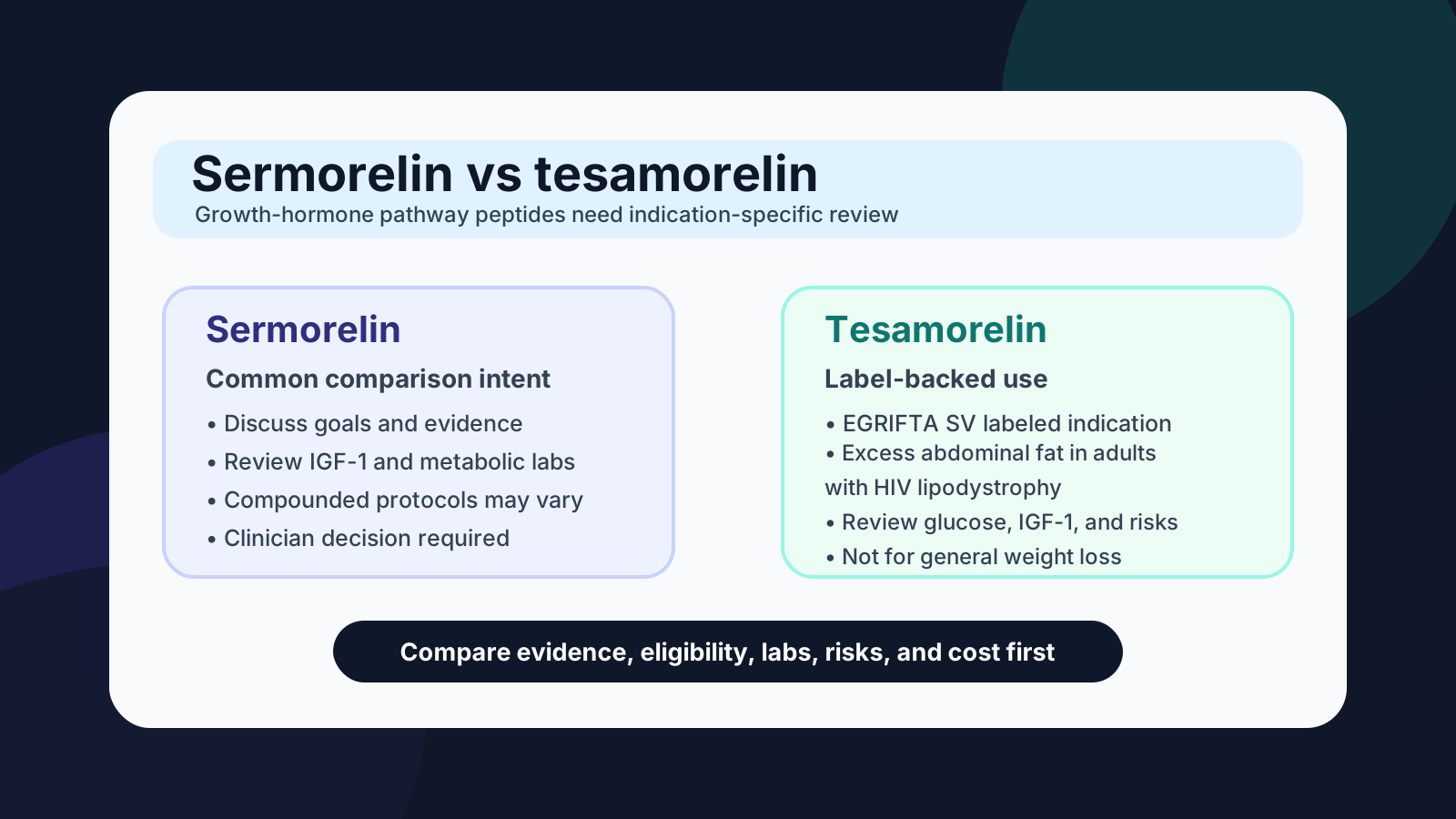
Sermorelin and tesamorelin both act on the growth hormone pathway, but they are not interchangeable. Tesamorelin has an FDA-approved indication for excess abdominal fat in adults with HIV and lipodystrophy. Sermorelin is usually discussed as a compounded growth-hormone-releasing hormone analog that requires careful clinician review.
That distinction matters because many search results collapse both medications into one "GH peptide" category. A medically safe comparison starts with the indication, the evidence, the patient's risk factors, and whether the medication source is legitimate, not with a generic promise of fat loss, muscle gain, sleep improvement, or anti-aging.
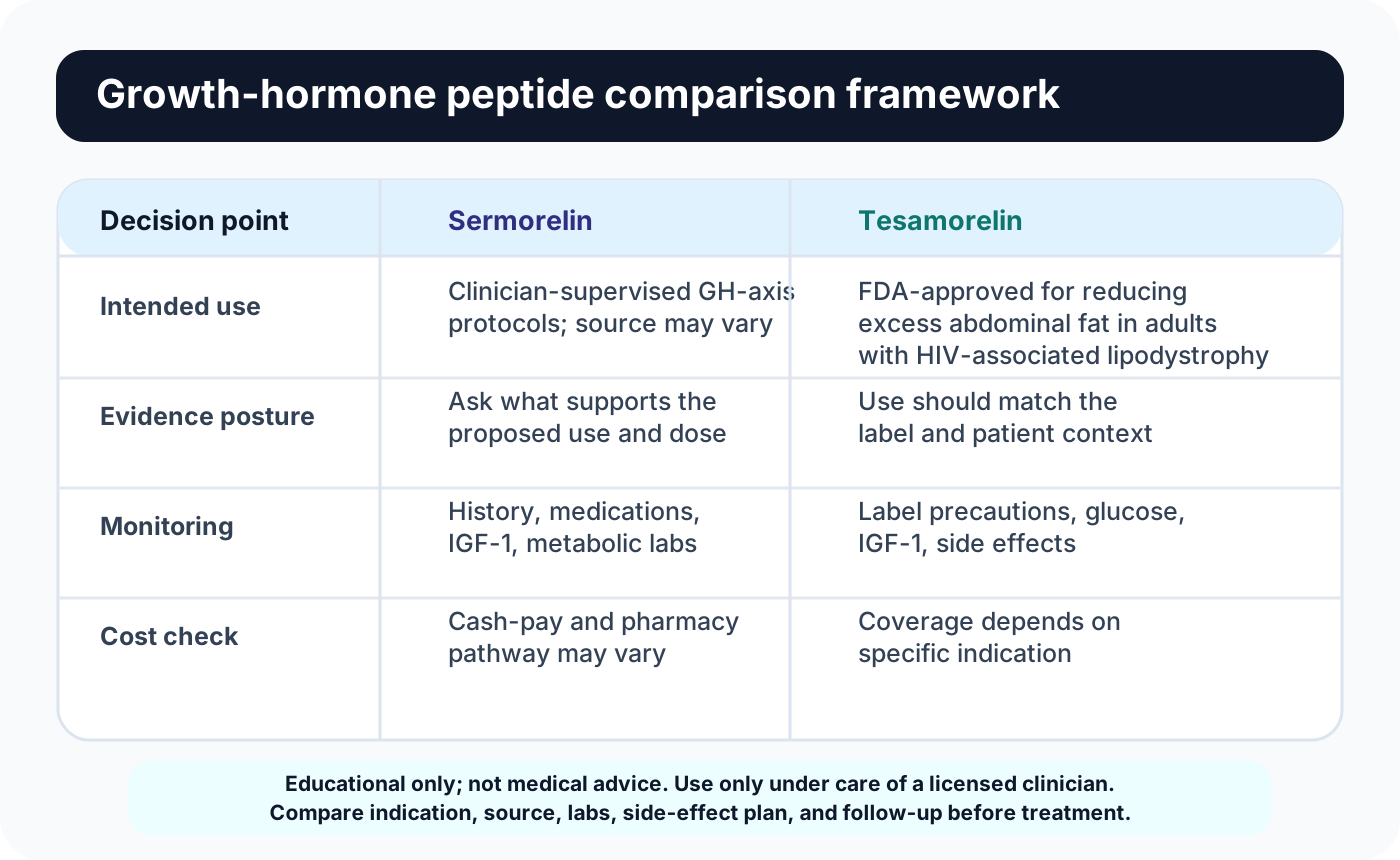
Quick comparison
| Question | Sermorelin | Tesamorelin |
|---|---|---|
| What is it? | A growth-hormone-releasing hormone analog used in some clinician-supervised peptide protocols | A growth-hormone-releasing factor analog |
| FDA-approved use | Current use is typically discussed in compounded or specialty-care contexts, not as a broad anti-aging drug | FDA-approved as EGRIFTA SV for reducing excess abdominal fat in adults with HIV and lipodystrophy |
| Purpose-of-use boundary | Peptide12 does not prescribe it for sleep treatment, recovery, bodybuilding, muscle, strength, physique, or performance | Limited to diagnosis-specific review and the product's label context |
| Evidence posture | Protocols vary; patients should ask what evidence supports the proposed use | Label-backed indication and clinical trial data for a specific population |
| Monitoring themes | Health history, medication review, IGF-1, metabolic markers, risk factors | Label precautions, glucose monitoring, hypersensitivity risk, IGF-1 considerations, and indication-specific review |
| Bottom line | Not a shortcut to HGH and not appropriate for everyone | More indication-specific and not a general wellness fat-loss substitute |
How they work in plain English
The pituitary gland releases growth hormone in pulses. Growth-hormone-releasing peptides and analogs are designed to influence that signaling pathway rather than supply growth hormone directly. That does not make them risk-free, and it does not mean every adult with fatigue, poor sleep, or body-composition goals is a candidate.
Sermorelin is a growth-hormone-releasing hormone analog. Peptide12 requires an independently documented medical rationale and purpose-of-use review before any prescription decision. It is not prescribed for sleep treatment, workout or sports recovery, bodybuilding, muscle building, strength gain, physique enhancement, or athletic performance.
Tesamorelin is more specific. FDA labeling for EGRIFTA SV describes tesamorelin for reducing excess abdominal fat in adults with HIV and lipodystrophy. That label-backed use should not be stretched into a universal "belly fat peptide" claim for the general population.
Who might be evaluated for either option?
A clinician may consider the growth hormone pathway only after reviewing the person's goals, symptoms, medical history, medications, baseline labs, and risk factors. The evaluation is especially important for people with diabetes or abnormal glucose markers, cancer history, pituitary disease, sleep apnea, edema, carpal tunnel symptoms, pregnancy considerations, or medications that affect endocrine or metabolic health.
Good telehealth programs should be willing to slow down the process. If labs, history, or symptoms point to a problem that needs in-person endocrine care, the safest answer may be referral rather than a prescription.
Side effects and safety questions to ask
Potential issues vary by medication and patient. Growth-hormone-pathway therapy can raise questions about IGF-1, glucose control, fluid retention, joint symptoms, injection-site reactions, hypersensitivity, pregnancy considerations, cancer history, and whether the therapy is appropriate for the underlying diagnosis. The EGRIFTA SV label includes warnings and precautions patients should review with a clinician before use.
This article is educational and cannot determine whether sermorelin, tesamorelin, or any growth-hormone-pathway therapy is safe or appropriate for an individual patient. That decision belongs with a licensed clinician who can review the full medical picture.
Ask these questions before starting:
- What exact medication is being prescribed, and is it FDA-approved for my indication or compounded for an individualized need?
- Which labs will be reviewed before prescribing and during follow-up?
- How will IGF-1, glucose, A1c, lipids, or symptoms affect the plan?
- What side effects should I expect, and which symptoms mean I should stop and contact the care team?
- What pharmacy dispenses the medication, and how is storage handled during shipping?
- What is the plan if my goals are not improving or labs move out of range?
A no-lab, no-history, no-prescription checkout flow is a red flag for this category.
Cost and access differences
Sermorelin and tesamorelin can differ substantially in cost, insurance handling, pharmacy pathway, and availability. Tesamorelin's FDA-approved indication is narrow, which means coverage and documentation usually depend on whether the patient fits that specific use case. Sermorelin pricing may be cash-pay and protocol-dependent when compounded, and the lowest listed price may not include intake, labs, supplies, follow-up, or shipping.
When comparing clinics, ask for the total monthly cost after consultation fees, lab fees, supplies, medication, shipping, and follow-up. A transparent plan should also explain what happens if the clinician decides you are not a candidate.
How this fits with online peptide therapy
Online care can make evaluation more convenient, but it should not remove medical safeguards. For growth-hormone-pathway peptides, the safer model includes a detailed intake, medication review, lab review, clinician decision, legitimate pharmacy dispensing if prescribed, education on side effects and storage, and follow-up.
Related Peptide12 guides:
- Online peptide therapy evaluation
- Peptide therapy safety checklist
- Lab work before peptide therapy
- Peptide therapy side effects and red flags
- Peptide therapy cost and price transparency
FAQs
Are sermorelin and tesamorelin the same?
No. They both act on the growth hormone pathway, but tesamorelin is a synthetic growth-hormone-releasing factor analog with an FDA-approved indication for reducing excess abdominal fat in adults with HIV and lipodystrophy. Sermorelin is a growth-hormone-releasing hormone analog commonly discussed in wellness and compounding settings, and it should be considered only after clinician review.
Which is stronger, sermorelin or tesamorelin?
That is the wrong first question. The better question is which, if either, is appropriate for the patient, the indication, and the evidence base. Tesamorelin has label-backed data for a specific HIV lipodystrophy indication. Sermorelin protocols vary by clinician, pharmacy source, dose, and patient goals.
What labs are commonly reviewed before growth-hormone peptide therapy?
Clinicians may review health history, medication list, contraindications, baseline IGF-1, glucose or A1c, lipids, liver and kidney markers, and cancer history where relevant. Lab needs vary by therapy and patient risk profile.
Can I buy sermorelin or tesamorelin online without a prescription?
Patients should avoid research-grade or no-prescription sellers. Growth-hormone-pathway peptides should involve a licensed clinician, a legitimate prescription pathway when appropriate, pharmacy dispensing, medication-specific counseling, and follow-up.