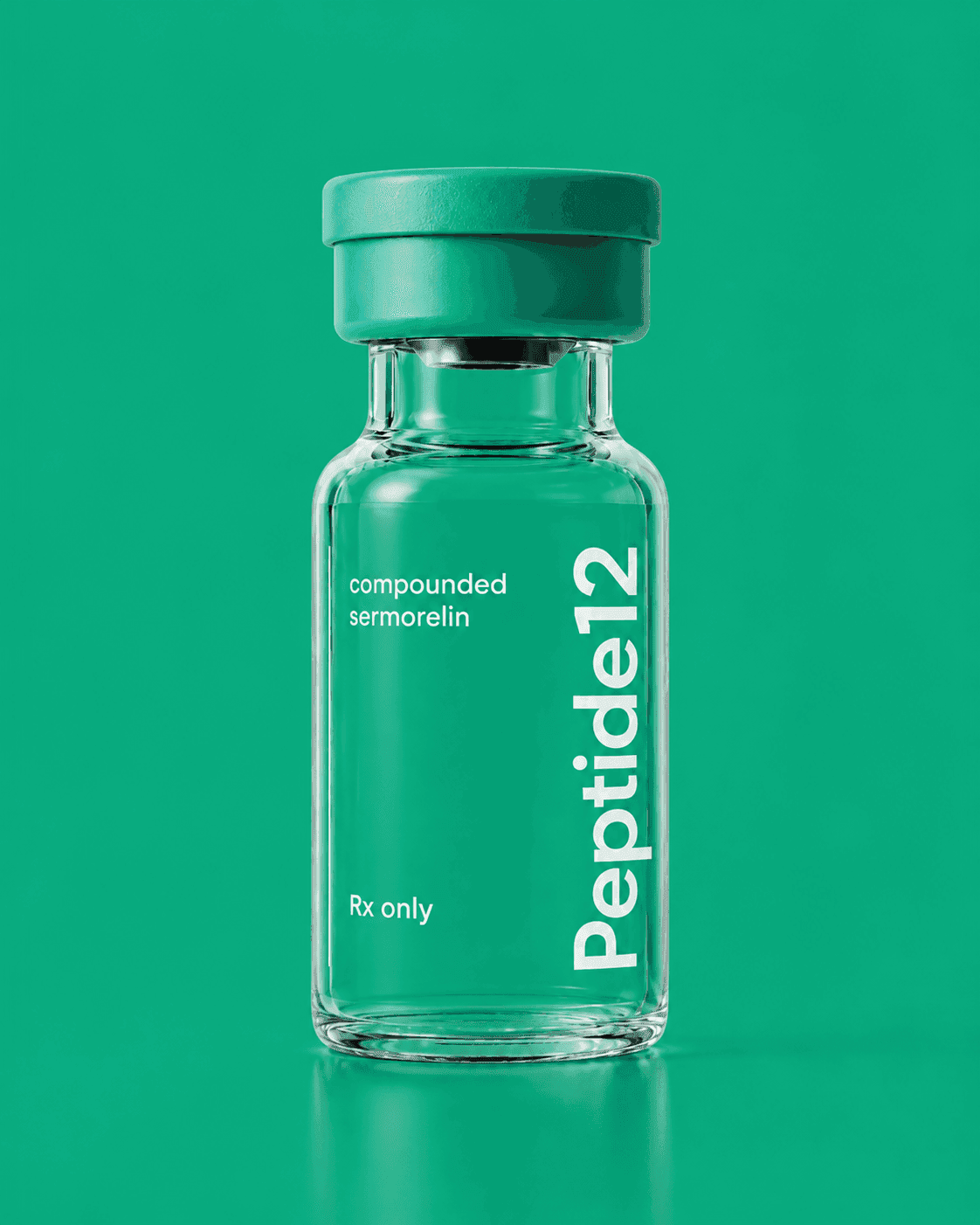
Compounded BPC-157
A synthetic stable pentadecapeptide derived from a protein found in gastric juice. Studied in animal models for tendon, soft-tissue, and gut-lining repair, and prescribed online by US-licensed doctors when clinically appropriate.
- Daily subcutaneous injection, often near the affected area
- Compounded by state-licensed pharmacies
- Evidence base is largely preclinical — human data are limited
- No insurance required
shipping
doctors
doctor 24/7
- Same price at every dose. No hidden fees.
- Free expedited shipping.
- No membership fees.
- Doctor-led plans, ongoing doctor support.
Why do people explore bpc-157 therapy?
A peptide studied in preclinical models for recovery, soft-tissue repair, and gut support — with honest limits on the human evidence.
Soft-Tissue Recovery
- Tendon & ligament focus
- Studied for repair
- Targeted dosing
Gut Support
- Gut-lining studies
- Gut-brain axis
- Preclinical interest
Blood Flow & Healing
- Angiogenesis pathway
- VEGFR2 signaling
- Tissue repair models
Active Recovery
- Nagging-injury support
- Doctor-supervised
- Course-based protocol
Recover smarter on your terms.
Compounded BPC-157 is an investigational peptide studied in animals for soft-tissue and gut repair — prescribed only when a doctor agrees it is appropriate.
BPC-157 is a stable pentadecapeptide whose sequence comes from a protein found in gastric juice. In rodent studies it has been linked to angiogenesis, tendon fibroblast activity, and gut-lining repair, which is why it draws interest from active adults.
The honest caveat is that this research is largely preclinical and human evidence is limited, so it may support recovery but nothing is proven. We pair it with a real medical review and a course-based protocol — a balanced, science-based approach to strength.

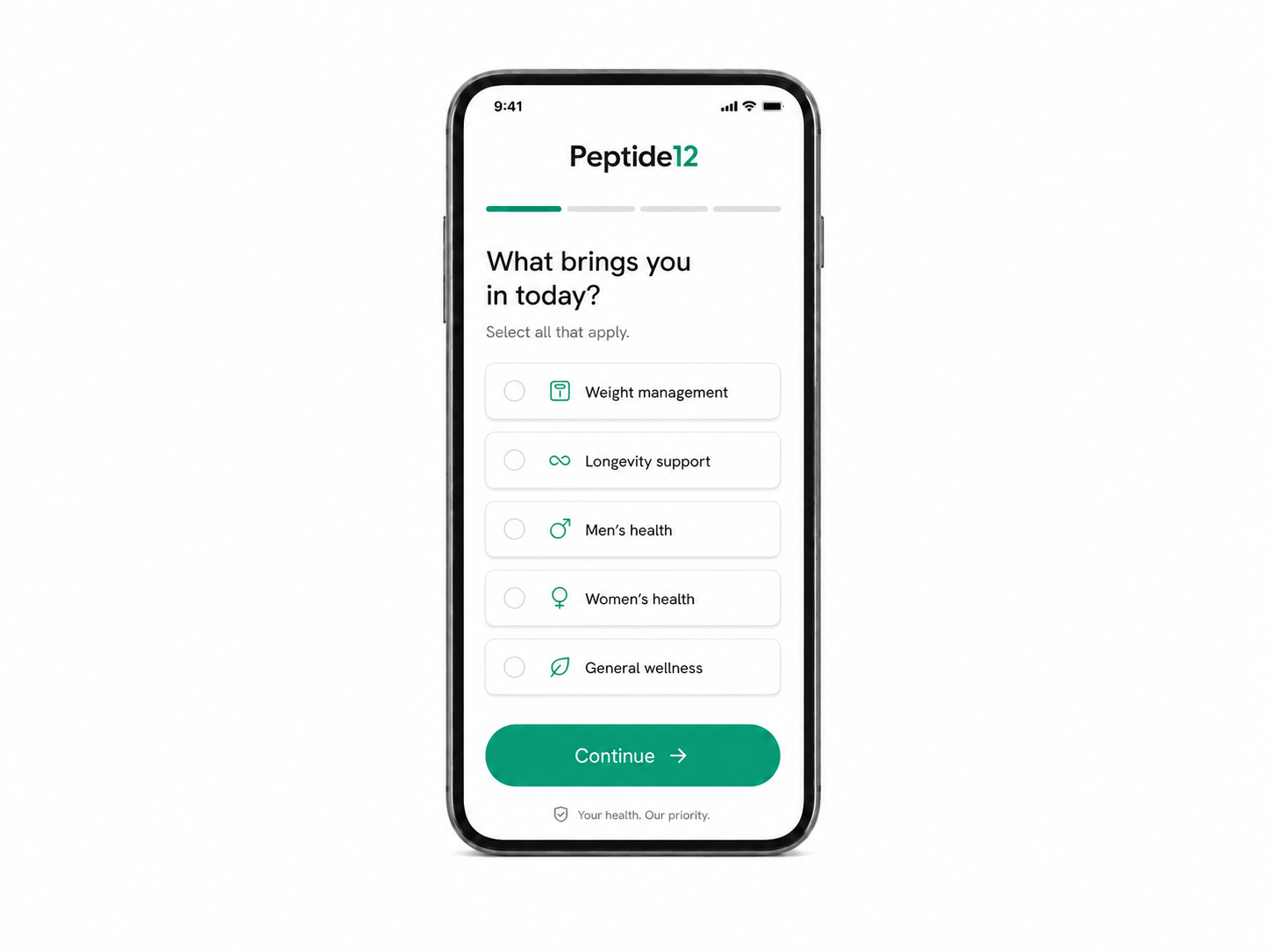
Complete a quick online health intake
STEP
1
Share your health profile online. A US-licensed doctor reviews your fit and decides whether peptide therapy is right for you.
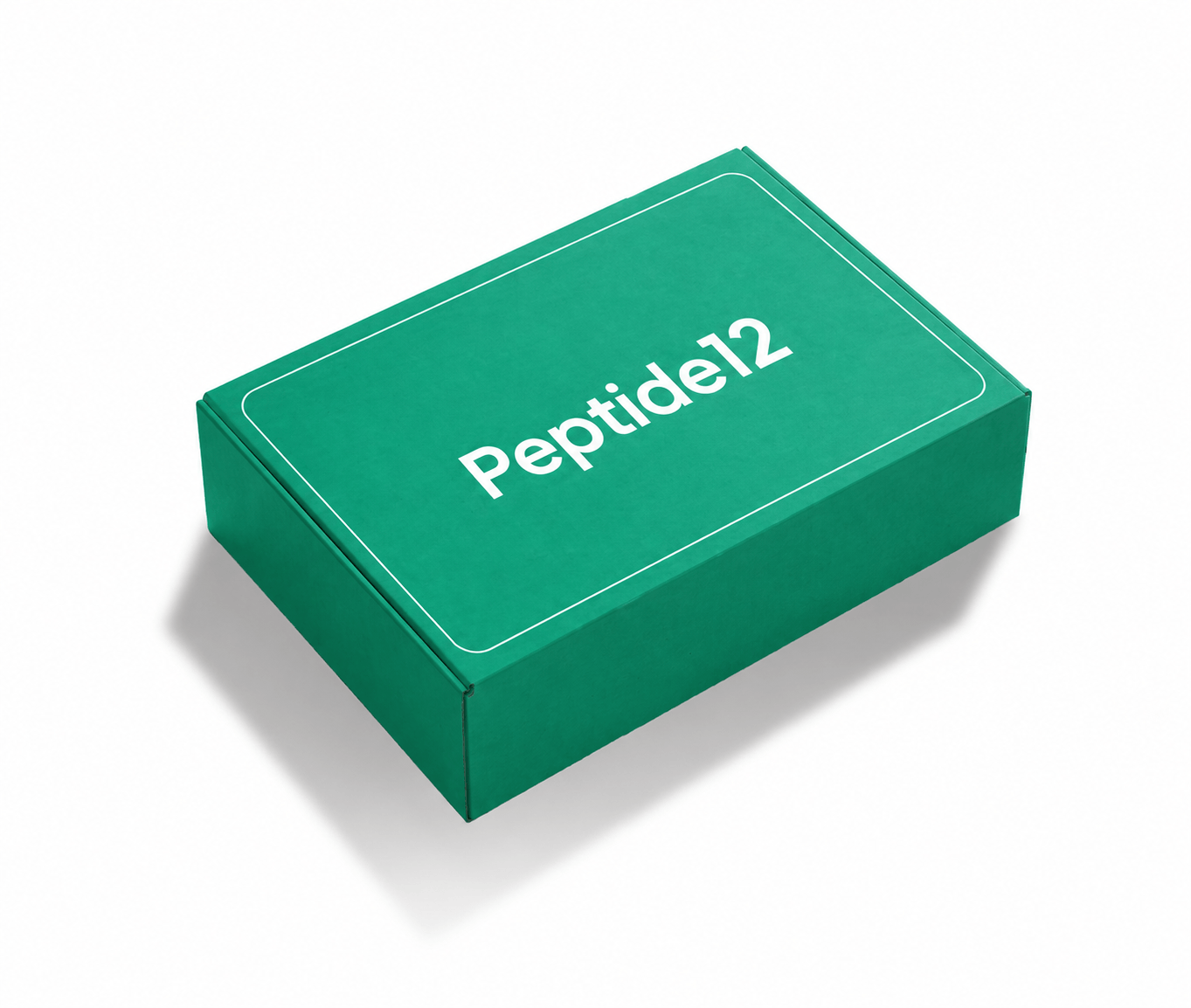
Receive your prescription at your door
STEP
2
If approved, your custom prescription ships free and overnight in temperature-controlled packaging, arriving safely at your home.
Get continuous care from your doctor
STEP
3
Message your care team with response, side-effect, refill, lab, medication, or sport-testing questions so the plan can be reassessed as needed.

Why choose Peptide12?
Patients pick us for clinical rigor, transparent pricing, and care that doesn’t disappear after checkout.
FDA-registered pharmacies
Every prescription is compounded by FDA-registered 503A/503B pharmacies. Batch testing and certificates of analysis available on request.
US-licensed doctors
MDs licensed in your state, not just an order form. Your doctor titrates dosing and answers messages directly.
Transparent pricing
One flat price per protocol. No membership fees, no insurance hassle, no surprise charges. HSA and FSA accepted. Cancel anytime.
Care that doesn’t disappear
Message your doctor through your patient portal whenever you need to. Most replies within hours, never longer than 24.
What patients ask about
Patient feedback on clinician review, pharmacy sourcing, follow-up, and practical support.
Individual experiences vary and do not guarantee eligibility, prescription approval, symptom improvement, or a specific result.
“My doctor was upfront that the human evidence is thin, which I actually appreciated. I ran an 8-week course for a stubborn elbow and felt good enough about it to do a second one.”
Marcus B.
Scottsdale, AZ
“What sold me was the intake. They reviewed my history, flagged the cancer-history question, and explained the angiogenesis concern before writing anything. No hype.”
Priya N.
Seattle, WA
“Used it alongside physical therapy for an Achilles issue. I can’t separate it from the rehab work, but the doctor-supervised, course-based approach felt responsible.”
Tyler G.
Columbus, OH
“I have some gut issues and went in with realistic expectations. They never promised a cure — just a supervised trial. Vial arrived cold-chained with batch testing on the label.”
Hannah L.
Portland, OR
“The titration was conservative and the syringes and sharps container were all included. Injection-site redness was minor and faded within the first week.”
Andre W.
Nashville, TN
“Same-day doctor messaging and a clear plan to reassess at the end of the course instead of just refilling forever. That is why I trusted them with an investigational peptide.”
Sofia M.
Miami, FL
Frequently asked questions
No. The large majority of BPC-157 research is preclinical — conducted in rats or in cell cultures — and well-controlled human clinical trials are lacking. The animal data on tendon, soft-tissue, and gut healing are consistent and biologically plausible, but they have not been confirmed in people. BPC-157 should be understood as investigational: it may support recovery, but its benefits in humans are unproven and it is not FDA-approved.
Because human data are limited, there is no established timeline. Protocols are typically run as courses of about 4–8 weeks, and patients who choose it for a nagging soft-tissue complaint generally reassess with their doctor at the end of a course. Anything you notice is anecdotal rather than the result of controlled trials, and individual responses vary widely.
BPC-157 is most often given as a daily subcutaneous injection using a small insulin syringe. Some protocols place the injection subcutaneously near the affected area on the theory of local action, though this targeting is based on preclinical reasoning rather than proven human data. Your prescribing doctor will give you specific instructions for your protocol.
BPC-157 has shown a favorable safety profile in animal studies, with no lethal dose reached in rodents. The most discussed theoretical concern is that, because it promotes angiogenesis (new blood-vessel growth) in animals, it could in principle support unwanted tissue or tumor growth. For that reason it is generally avoided in anyone with a personal or family history of cancer, and any new lump or unusual symptom should be reported immediately. Long-term human safety has not been established.
Some patients combine BPC-157 with peptides like TB-500 for recovery goals, but this should always be doctor-supervised, and combining two investigational compounds compounds the uncertainty in the evidence. Your protocol is individualized, and your prescribing doctor decides whether any combination is appropriate for you.
BPC-157 is included on the World Anti-Doping Agency (WADA) Prohibited List under the category of agents affecting tissue repair. Competitive athletes subject to anti-doping testing should not use it. If you compete under any sporting body, confirm the current rules before considering this or any peptide.
Yes. A US-licensed doctor reviews your history, goals, and any relevant imaging or labs before deciding whether a prescription is appropriate. Because BPC-157 is investigational, the doctor will also discuss the limits of the evidence and the theoretical risks with you so you can make an informed decision.
Peptide12 partners with state-licensed compounding pharmacies that hold state and federal licensure and undergo regular USP <797> sterility audits. Every batch is third-party tested for identity, potency, sterility, and endotoxin before release. Compounded BPC-157 is not FDA-approved as a finished drug product but is prepared from FDA-regulated active ingredients under individualized prescription.
No. Compounded, investigational peptides like BPC-157 are not covered by commercial insurance. Some patients use HSA or FSA funds where eligible. Your care team can help you understand the costs before you start.
Supporting Studies
- 1.Hsieh et al. — Pentadecapeptide BPC 157 enhances growth hormone receptor expression in tendon fibroblasts (Molecules, 2014, preclinical/in vitro)
- 2.Chang et al. — The promoting effect of pentadecapeptide BPC 157 on tendon healing: tendon outgrowth, cell survival, and migration (J Appl Physiol, 2011, preclinical)
- 3.Hsieh et al. — Modulatory effect of gastric pentadecapeptide BPC 157 on angiogenesis in muscle and tendon healing (J Physiol Pharmacol, 2009, preclinical)
- 4.Sikiric et al. — Brain-gut axis and pentadecapeptide BPC 157: theoretical and practical implications (Curr Neuropharmacol, 2016, review)
- 5.Gwyer et al. — Stable gastric pentadecapeptide BPC 157 and wound healing (Front Pharmacol, 2021, review)
- 6.FDA — Pharmacy Compounding Advisory Committee notice of meeting (Federal Register, 2026)